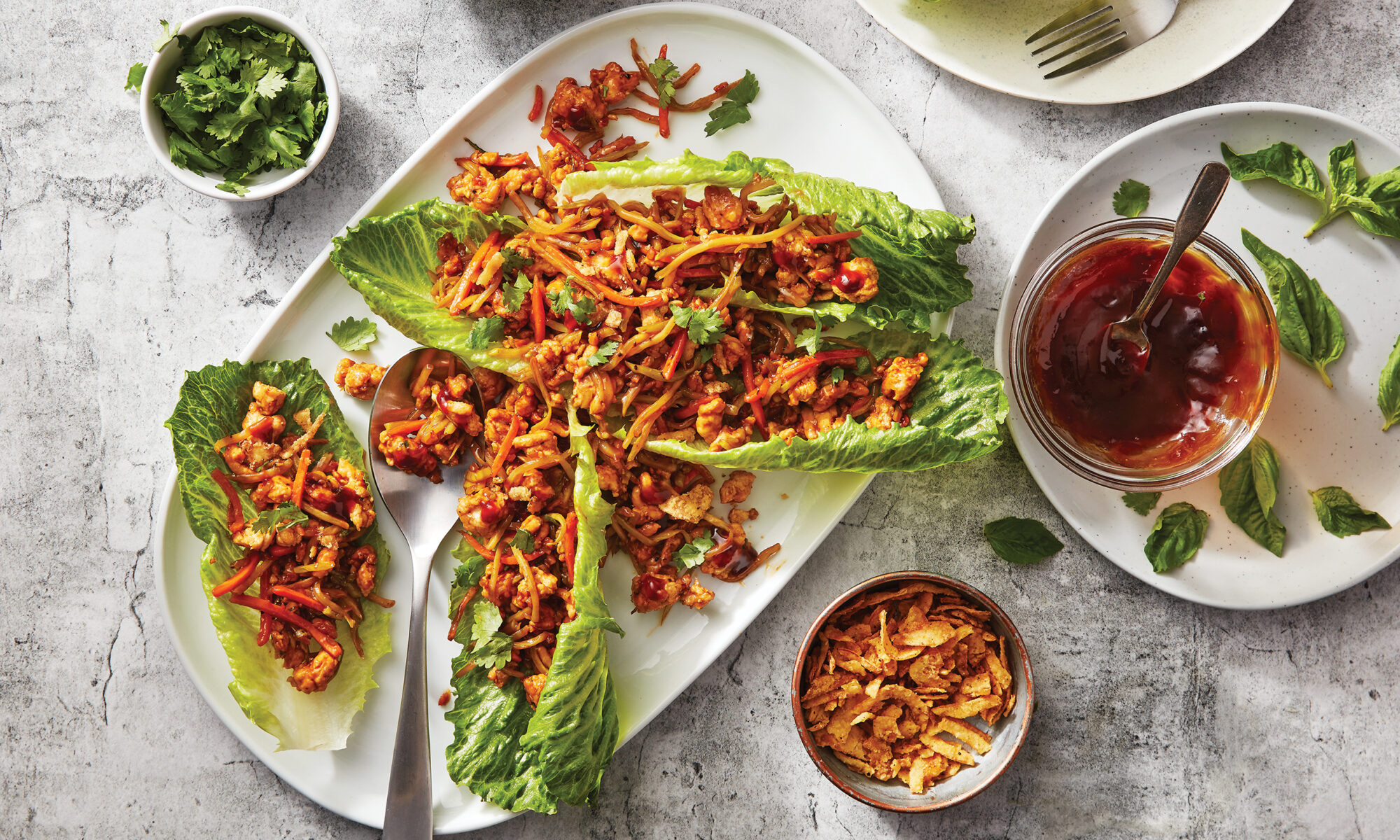
Groovy Eats Ep4 | Disco Night Bites (1978): Donna Summer, Last Dance, Midori Sours + Crab Rangoon

Midori Sour and Crab Rangoon with Plum Sauce


Groovy Eats by Kristen Hess

Welcome to Groovy Eats, where we’re cooking our way through the decades, one groove at a time. In Season One, we’re stepping back into the 1970s—a decade of bold flavors, unforgettable music, and iconic cultural moments that still influence us today.

👉 Listen to this episode of The Artful Gourmet Podcast on Spotify — Deep dives into food, culture, memory, and the stories behind the recipes. Perfect for your commute, your kitchen, or your next late night.

If there was ever a moment to turn up the music, shake up a retro cocktail, and bring a little sparkle to the table, this is it. For this latest Groovy Eats episode, I’m taking inspiration from Donna Summer, her iconic hit “Last Dance,” and the glamorous, glittery world of 1978 disco culture to create a classic dinner reimagined.

The inspiration behind this episode

This episode is part food story, part music memory, part time machine. And honestly, that’s my favorite kind of recipe inspiration.

From the flashing lights of the disco floor to the late-night bite energy of Los Angeles nightlife, this menu brings together everything I love about creating food with a little extra mood. Think Midori Sour cocktails, Crab Rangoon with plum sauce, and a whole lot of retro fun.

This month, we’re heading to late Spring 1978, when disco ruled the airwaves,

Donna Summer reigned supreme, and the nightlife scene in Los Angeles was every bit as glamorous as the movies made it look.

The idea for this episode came from the magic of Donna Summer’s “Last Dance” and the 1978 film Thank God It’s Friday. Donna Summer was one of the defining voices of the disco era, and her music helped shape the sound, style, and energy of late-1970s nightlife. Her voice had that rare mix of power, glamour, emotion, and pure dance-floor joy.

“God had to create disco music so that I could be born and be successful.”Donna Summer

“Last Dance” is one of those songs that instantly transports you. It has that big, emotional, everything-is-happening-right-now feeling that makes disco feel like more than music — it feels like a whole world. That’s exactly the mood I wanted to capture with this episode.

Watch / Listen to Donna Summer perform “Last Dance,” the song that helped define the spirit of this episode.


Thank God It’s Friday and the disco scene in Los Angeles

Thank God It’s Friday was released in 1978 and captured the height of disco-era nightlife with all the glitz, energy, and after-hours glamour you’d expect. One of the things I love most about this film is the atmosphere — it wasn’t just about music, it was about the entire night-out experience.

The disco scenes were filmed at Osko’s, a real disco club on Restaurant Row in Los Angeles, which makes the whole setting feel even more rooted in the nightlife culture of the time. That stretch of restaurants and late-night spots became part of the after-disco ritual: dance all night, then head out for cocktails, snacks, and a little more conversation before heading home.

That is such a fun culinary idea to play with, because suddenly the food becomes part of the story. It’s not just dinner — it’s what you eat after the music has already started to fade, but the mood is still glowing.


By the spring of 1978, disco had become more than a music genre. It was a lifestyle.

People dressed for it.

Studio 54 NYC

Danced to it.

Decorated their homes around it.

1970s Disco lounge

And gathered together in clubs and restaurants built around the energy of the era. 
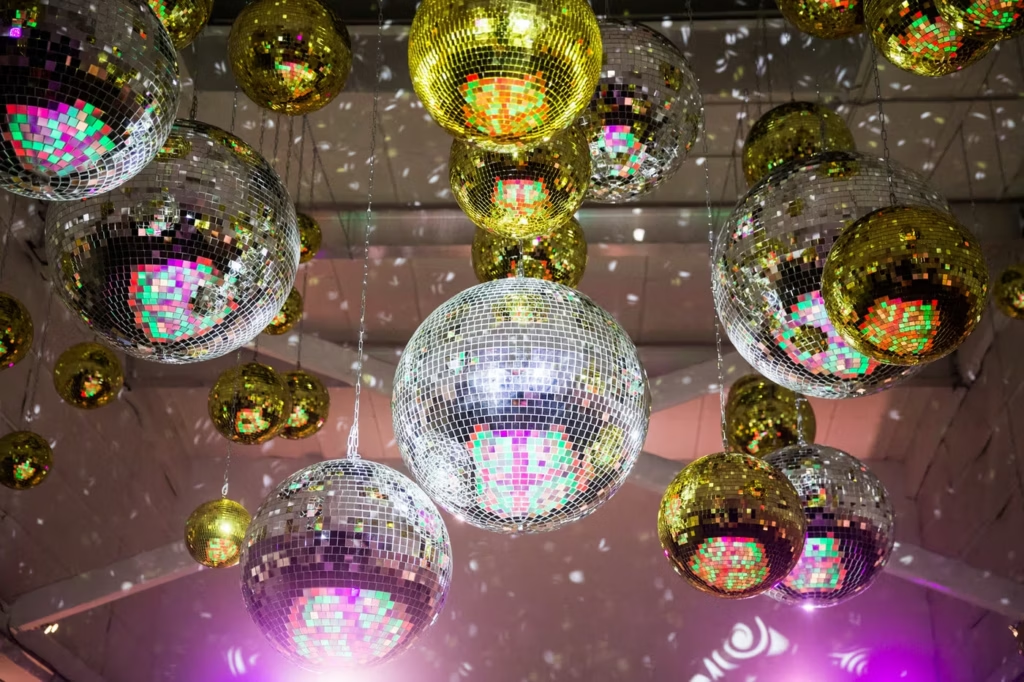
Disco Balls decor

Then Hollywood bottled that feeling and released it onto the big screen.

Thank God It's Friday 1978 Last Dance


Thank God It’s Friday debuted in May 1978 and followed a cast of colorful characters through one unforgettable night at a Los Angeles disco 

inspired by the legendary nightlife scene surrounding Restaurant Row

Los Angeles Restaurant Row

and Osko’s disco club, where the movie was filmed in 1978.

Osko's Disco LA

Watch a clip of Donna Summer singing ‘Last Dance’ from the movie:

The Islander and the late-night bite vibe

As I was dreaming up the menu, I kept thinking about The Islander, the tiki-style spot that was a popular hangout in 1978 and helped inspire the playful, after-hours feel of this episode. The Islander had that unmistakable late-night, tropical, a little-bit-glam, a little-bit-unserious energy that fits disco so beautifully.

That became the seed for the recipes in this episode — especially the Midori Sour and Crab Rangoon with plum sauce. I wanted cocktails and appetizers that felt like they belonged on a late-night menu after a full evening of dancing, laughing, and lingering over one more drink.

Midori Sour and Crab Rangoon with Plum Sauce
Screenshot

The result is a menu that feels equal parts disco, tiki bar, and retro dinner party.

Donna Summer’s impact on disco

Donna Summer’s influence on disco cannot be overstated. She was one of the genre’s most important voices, and her music helped take disco from club culture into mainstream pop culture. Songs like “Last Dance,” “I Feel Love,” “MacArthur Park,” “Hot Stuff,” and “Bad Girls” became defining records of the era.

Donna Summer

What made Donna Summer so special was not just her voice — though that alone was unforgettable — but the way her music carried both sophistication and soul. She could be glamorous, playful, emotional, and ecstatic all in the same song. That combination helped shape the sound of late-70s disco and made her an enduring icon far beyond the genre itself.

Disco was never just about glitter. It was about freedom, expression, community, movement, and joy. Donna Summer’s music captured all of that, and that’s part of why she remains so deeply connected to the era.

Donna Summer
Donna Summer helped define the sound and spirit of disco.

Her 1977 masterpiece, “I Feel Love,” didn’t just play in clubs — it detonated them. That pulsing, hypnotic, entirely synthesized rhythm was unlike anything the world had ever heard. Even David Bowie, one of the most prescient artists of the century, stopped cold when he heard it. As his long-time collaborator Brian Eno famously recounted, Bowie burst into the recording studio and declared:

“I have heard the sound of the future.”

Giorgio Moroder himself understood the magnitude of what he and Donna had created. The German-Italian producer, who would go on to become one of the most decorated in music history, described their creative partnership as something almost telepathic — a collision of her emotional depth and his technological fearlessness. Together, they didn’t just make records. They built worlds.

But if “I Feel Love” was the revolution, then “Last Dance” was the rapture.

donna summer


The menu: what I made for the episode

For this episode, I wanted the food to feel like something you’d order after a long night out — colorful, fun, and just a little indulgent.

Midori Sour
Midori Sour

Midori Sour

The Midori Sour is a perfect disco-era cocktail because it feels playful, vibrant, and unmistakably 1978. Midori first launched in that era, and the bright green color is pure retro nightlife energy. It’s the kind of drink that looks incredible on camera and tastes like a little time capsule in a glass.

Midori Sour Ad 1978

Midori — the Japanese honeydew melon liqueur — was introduced to the American market in 1978 at a legendary launch party held at the one and only Studio 54 in New York City.

The party was thrown in honor of the film Saturday Night Fever, and the guest list included the who’s who of the disco era. From that moment forward, Midori became the drink of the moment — sweet, citrusy, just a little bit wild, and perfectly at home in a room full of sequins and spectacular music.

Saturday Night Fever

A Midori Sour is the cocktail equivalent of “Last Dance.”

It starts fun and light, and then it hits you — warm and bright and a little euphoric. Mix one up, turn the music on, and I promise you’ll understand exactly what I mean.

Midori Sour

🥂 Midori Sour — The Islander Style

Makes 1 cocktail | Easily multiplied for a crowd

Ingredients

    • 1½ oz Midori melon liqueur
    • 1 oz premium vodka (something smooth — Tito’s or Grey Goose work beautifully)
    • 1 oz fresh lemon juice (always fresh — this is non-negotiable)
    • ¾ oz fresh lime juice
    • ½ oz simple syrup (adjust to taste — see note below)
    • Ice
    • For garnish: Maraschino cherry + thin lemon wheel or a sprig of fresh mint

For the Simple Syrup (make ahead)

    • ½ cup granulated sugar
    • ½ cup water
    • Combine in a small saucepan over medium heat, stirring until sugar dissolves completely. Cool fully before using. Keeps refrigerated for up to 2 weeks.

Method

    1. Fill a cocktail shaker with ice — generously. You want this very cold.
    2. Add the Midori, vodka, lemon juice, lime juice, and simple syrup.
    3. Shake vigorously for a full 15 seconds. Don’t be shy — you want it properly cold and slightly frothy.
    4. Strain into a chilled rocks glass filled with fresh ice, or serve up in a coupe for maximum drama.
    5. Garnish with a maraschino cherry and lemon wheel. If you want to go full Islander tiki bar, add a paper cocktail umbrella and don’t look back.

Artful Gourmet Notes:

    • For a party punch version, multiply by 8 and mix in a large pitcher. Omit the ice and serve over a large ice block in a punch bowl for a showstopping presentation.
    • If you prefer a sweeter cocktail, increase the simple syrup by ¼ oz. If you like it more tart (my preference), reduce to ¼ oz and let the citrus shine.
    • Non-alcoholic version: Substitute the vodka with sparkling water and the Midori with a honeydew melon juice blend + a splash of green apple juice. Just as festive.

Midori Sour

🍤 The Bite: Crab Rangoon with Homemade Plum Dipping Sauce

If the Midori Sour is the star of the drink menu, then Crab Rangoon is the undisputed queen of the late-night snack table. And like all the best things from this era — it is slightly over the top, completely irresistible, and utterly impossible to eat just one of.

Crab Rangoon with Plum Sauce

Crab Rangoon with plum sauce is exactly the kind of crispy, creamy appetizer that belongs on a late-night menu. It’s nostalgic, crowd-pleasing, and perfect for a disco-inspired spread. The plum sauce gives it a sweet and tangy finish that makes every bite feel a little more polished.

Crab Rangoon is, in the most wonderful way, a distinctly American invention dressed up in an Asian-inspired costume. It became a staple of Polynesian-American restaurants like The Islander in the 1970s — part of that dreamy tiki bar tradition where the food was more about indulgence and escapism than culinary authenticity. And honestly, decades later, I have zero complaints.

Golden-fried wonton wrappers. A filling that’s creamy and rich, with just the right amount of savory sweetness from the crab. And then that plum dipping sauce — dark, complex, tangy, with a hint of warmth from fresh ginger — that transforms the whole thing into something you genuinely cannot stop eating.

Crab Rangoon with Plum Sauce

This recipe is  elevated just enough to feel special, but still wildly easy and deeply satisfying. The kind of food that’s meant to be passed around a table, eaten with your fingers, and shared with people you love.

The Islander Tiki Bar

🥟 Crab Rangoon with Homemade Plum Dipping Sauce

Makes approximately 24 pieces | Serves 6–8 as an appetizer


FOR THE CRAB RANGOON

Ingredients

  • 1 package (about 48) square wonton wrappers
  • 8 oz full-fat cream cheese, at room temperature (room temp is key — it blends smoothly)
  • 8 oz lump crab meat, drained and picked over for shells (fresh or good-quality canned; imitation crab works in a pinch but fresh is incomparable)
  • 3 green onions (scallions), finely sliced — white and light green parts
  • 2 cloves garlic, finely minced or pressed
  • 1 tsp soy sauce (or tamari for gluten-free)
  • 1 tsp Worcestershire sauce
  • 1 tsp toasted sesame oil
  • ½ tsp fresh ginger, finely grated
  • Pinch of white pepper
  • Small bowl of water (for sealing)
  • Neutral oil for frying (vegetable, canola, or avocado oil) — about 3–4 cups

Method

Make the filling:
In a medium bowl, beat the cream cheese until smooth and fluffy. Add the crab meat, green onions, garlic, soy sauce, Worcestershire, sesame oil, ginger, and white pepper. Mix gently until just combined — you want the crab to have some texture, not become a paste. Taste and adjust seasoning. Cover and refrigerate for at least 20 minutes (this helps the filling firm up and makes it much easier to work with).

Assemble the rangoon:
Lay a wonton wrapper on a clean, dry surface with one corner pointing toward you like a diamond. Place a heaping teaspoon of filling in the center — don’t be tempted to overfill or they’ll burst while frying. Dip your finger in water and trace all four edges of the wrapper. Fold the wrapper in half to form a triangle, pressing firmly to seal and pushing out any air pockets. Then bring the two bottom corners up and press them together to form the classic “crown” shape. Press firmly to seal. Place on a parchment-lined baking sheet while you repeat with the remaining wrappers.

Note: If you want to simplify the fold, a simple triangle seal works beautifully too.

Fry the rangoon:
Pour oil into a heavy-bottomed pot or Dutch oven to a depth of about 3 inches. Heat over medium-high heat until it reaches 350°F on a thermometer. (No thermometer? Drop a small piece of wonton wrapper in — it should sizzle and float immediately.)

Working in batches of 4–6 (don’t crowd the pot — this is the single most important rule of frying), carefully lower the rangoon into the oil. Fry for 2 to 2½ minutes, turning once halfway through, until deeply golden and perfectly crisp. Remove with a slotted spoon and drain on a paper towel-lined plate. Season immediately with a tiny pinch of flaky sea salt while still hot.

Serve immediately — they are at their absolute best right out of the oil.

Make-ahead tip: Assemble the rangoon in advance and freeze them flat on a baking sheet, then transfer to a zip-lock bag. Fry directly from frozen, adding 1–2 minutes to the cooking time. Perfect for a party.


FOR THE HOMEMADE PLUM DIPPING SAUCE

This is the sauce that makes everything better. It comes together in about 15 minutes and it’s so far superior to anything from a jar that I promise you’ll never go back.

Ingredients

  • 1 cup ripe red or black plums, pitted and roughly chopped (about 3 medium plums; frozen plums work well when fresh aren’t in season)
  • 3 tbsp rice wine vinegar
  • 3 tbsp granulated sugar
  • 2 tbsp soy sauce
  • 1 tbsp hoisin sauce
  • 1 tsp fresh ginger, grated
  • 1 clove garlic, minced
  • ¼ tsp Chinese five-spice powder
  • ¼ tsp red pepper flakes (optional — for a gentle heat)
  • 2 tbsp water

Method

Combine all ingredients in a small saucepan over medium heat. Stir to combine and bring to a gentle simmer. Cook, stirring occasionally, for 10–12 minutes, until the plums have completely broken down and the sauce has thickened slightly.

Carefully transfer to a blender (or use an immersion blender directly in the pot) and blend until smooth. Taste and adjust — more vinegar for tang, more sugar for sweetness, more soy for depth.

Pour into a serving bowl and let cool slightly before serving alongside the warm rangoon. The sauce will thicken further as it cools.

Keeps refrigerated in an airtight jar for up to 2 weeks. Also spectacular on grilled salmon, roasted duck, and pork dumplings.


“Disco was about more than the dance floor — it was a feeling.”

🎵 The Playlist: Donna Summer’s Disco Decades

Because every great meal deserves a great soundtrack — and this one is non-negotiable.

👉 **[Listen on Spotify: Groovy Eats Episode 4 — Donna Summer & the Disco Era, 1978]**A 20-song deep dive featuring Donna Summer’s greatest disco hits alongside the biggest tracks of 1978 — from Chic to Bee Gees, Gloria Gaynor to Sister Sledge.

The Donna Summer Essentials:

  1. Last Dance
  1. I Feel Love
  2. Love to Love You Baby
  3. Hot Stuff
  4. Bad Girls
  5. MacArthur Park
  6. On the Radio
  7. Heaven Knows
  8. Dim All the Lights
  9. Could It Be Magic
  10. I Love You
  11. Rumour Has It
  12. Our Love
  13. Spring Affair
  14. Try Me, I Know We Can Make It
  15. The Wanderer
  16. She Works Hard for the Money
  17. No More Tears (Enough Is Enough) (with Barbra Streisand)
  18. Love’s Unkind
  19. I Remember Yesterday

+ The Best of 1978:
Le Freak — Chic | Stayin’ Alive — Bee Gees | I Will Survive — Gloria Gaynor | We Are Family — Sister Sledge | Got to Be Real — Cheryl Lynn | Dance, Dance, Dance — Chic | Shame — Evelyn “Champagne” King | Boogie Oogie Oogie — A Taste of Honey

Watch the full Groovy Eats episode

This recipe story is part of my Groovy Eats series on YouTube, where I love bringing food, music, memory, and style together in one place. The full cooking video is coming soon, and I can’t wait to share the disco-night menu in motion.

Stay tuned for the full Groovy Eats video coming soon!


Listen to the companion podcast

Listen to Episode 4: Disco Night Bites 1978 Donna Summer, Last Dance on The Artful Gourmet Podcast.


✨ The Feeling Is the Recipe

I love recipes that tell a story, and this one is full of them. From Donna Summer’s unforgettable voice to the shimmering energy of Thank God It’s Friday, from Osko’s on Restaurant Row to the playful late-night spirit of The Islander, this episode is a celebration of a very specific, very fabulous moment in time.

And honestly? That’s what makes food fun.

What I love most about revisiting this era — about cooking through it, listening through it, sitting with it — is the reminder that none of it existed in isolation.

The music wasn’t separate from the moment. The food wasn’t separate from the experience. The cocktail wasn’t separate from the connection. It all lived together, layered and inseparable — the sound and the taste and the light and the company. All of it conspiring to create something that felt, for a few hours, like the most alive you’d ever been.

And maybe that’s really what we’re doing when we pull out a recipe from 1978 and make it on a Tuesday night in our own kitchen. We’re not just recreating a dish. We’re reaching for a feeling. A temperature. A particular quality of light that we remember, or that we never had but somehow recognize.

Donna Summer understood this better than almost anyone. She didn’t just make music for dancing. She made music for living — for the kind of nights you replay for decades. Nights where everything felt connected and nothing felt ordinary and the last song of the evening always, always, arrived too soon.

So turn it up. Make the rangoon. Shake the cocktail. Dance in your kitchen.

Because the night isn’t over yet.


🌟 About Donna Summer: A Legacy

Donna Summer

LaDonna Adrian Gaines (December 31, 1948 – May 17, 2012) was an American singer, songwriter, and actress who became the best-selling musical artist of the disco era. She was the first artist to have three consecutive double albums reach number one on the Billboard 200, and the first to have four number-one singles in a single calendar year. She won five Grammy Awards, a Golden Globe, and an Academy Award, and was inducted into the Rock and Roll Hall of Fame in 2013.

She was, and remains, simply — the Queen of Disco.


📣 Keep the Party Going

Loved this story? Here’s how to follow along for more food, music & nostalgia:

👉 Subscribe to The Artful Gourmet on Substack — New essays, recipes, and storytelling delivered straight to your inbox. Don’t miss an episode.

👉 Watch on YouTube — The Artful Gourmet Channel — Full Groovy Eats episodes, food styling reels, behind-the-scenes content, and more.

👉 Read More on The Artful Gourmet Blog — Recipes, food styling tips, seasonal editorials, and the full archive of Groovy Eats essays.


Groovy Eats — where we cook through the decades, one groove at a time. 🪩

#DonnaSummer #LastDance #ThankGodItsFriday #DiscoDinner #GroovyEats #RetroRecipes #MidoriSour #CrabRangoon #CoconutShrimp #VintageCocktails #DiscoEra #FoodAndMusic #1970sStyle #LosAngelesHistory #TikiBarVibes

Summer Stone Fruit Salad with Feta, Mint & Toasted Hazelnuts

The Sweetest Part of Summer Is the One You Don’t Rush

There are only a few weeks each year when stone fruit tastes exactly the way it’s supposed to.

Peaches drip down your wrist after the first bite. Nectarines are floral and fragrant without needing anything added. Plums are sweet with just enough tartness to keep you reaching for another slice. It’s the kind of fruit that reminds you why eating seasonally is always worth the wait.

This is the season for farmers markets overflowing with baskets of colorful fruit, picnic blankets spread beneath shady trees, and dinners that begin a little later because no one is in a hurry.

Windows stay open. The evenings linger. Dessert often starts with whatever looks best in the fruit bowl.

That’s exactly where this salad was born.

Instead of baking the fruit into a pie or crisp, I wanted to let every juicy slice shine on its own. A handful of ripe peaches, nectarines, and plums become something unexpectedly elegant with just a few fresh ingredients.

Creamy feta adds a salty contrast, mint brings a burst of cool freshness, and toasted hazelnuts provide just enough crunch to make every bite interesting.

A light honey-citrus vinaigrette ties everything together without masking the natural sweetness of the fruit. It’s simple, vibrant, and feels like sunshine on a plate.

This is one of those recipes that works for almost any summer occasion. Serve it alongside grilled chicken or salmon, add it to a brunch spread, bring it to a backyard barbecue, or enjoy it as a light lunch with a crisp glass of rosé or sparkling water infused with citrus.

What I love most is how effortless it feels. No oven. Very little prep. Just beautiful ingredients at their seasonal peak doing what they do best.

Summer has a way of reminding us that the simplest meals are often the most memorable.

A bowl of ripe fruit shared outdoors, conversations that stretch into twilight,

and recipes that don’t ask for much beyond fresh ingredients and good company.

So while the peaches are perfectly ripe and the nectarines are overflowing at the market, savor every bite. Before long, autumn apples will take their place—but for now, this is the flavor of summer.


Summer Stone Fruit Salad with Feta, Mint & Toasted Hazelnuts

Prep Time: 15 minutes
Cook Time: 5 minutes
Total Time: 20 minutes
Serves: 6

Ingredients

For the Salad

2 ripe peaches, sliced

2 ripe nectarines, sliced

2 ripe plums, sliced

4 ounces crumbled feta cheese

¼ cup toasted hazelnuts, roughly chopped

¼ cup fresh mint leaves, torn

2 cups baby arugula or mixed spring greens (optional)

Freshly cracked black pepper

Honey Citrus Dressing

3 tablespoons extra virgin olive oil

1 tablespoon fresh lemon juice

1 tablespoon fresh orange juice

1 teaspoon honey

½ teaspoon Dijon mustard

Pinch of flaky sea salt

Freshly ground black pepper

Instructions

Toast the hazelnuts in a dry skillet over medium heat for 3–5 minutes until fragrant. Let cool, then roughly chop.

Whisk together the olive oil, lemon juice, orange juice, honey, Dijon mustard, salt, and pepper until smooth.

Arrange the sliced peaches, nectarines, and plums on a large serving platter or shallow bowl.

If using greens, scatter them underneath the fruit.

Sprinkle with crumbled feta, toasted hazelnuts, and fresh mint.

Drizzle lightly with the honey-citrus dressing just before serving.

Finish with freshly cracked black pepper and a few extra mint leaves.

Serve immediately while the fruit is at its freshest.

Tips for the Best Stone Fruit Salad

Choose fruit that’s ripe but still slightly firm so the slices hold their shape.

Toasting the hazelnuts deepens their flavor and adds wonderful crunch.

Substitute pistachios, almonds, or pecans if preferred.

Try creamy burrata or fresh mozzarella instead of feta for a richer version.

Add fresh basil or tarragon for another layer of summer flavor.


Serving Ideas

This salad pairs beautifully with:

Grilled chicken or shrimp

Cedar plank salmon

Prosciutto and crusty artisan bread

Quinoa or farro bowls

Sparkling rosé, Sauvignon Blanc, or a peach spritz

It’s equally at home on a casual weeknight table or as the centerpiece of a beautiful summer brunch.


More Summer Recipes You’ll Love

Strawberry Jam Galette

Grilled Corn & Zucchini Salad

Mediterranean Chickpea Power Bowls

Lemon Herb Roasted Chicken

Butter Garlic Linguine with Clams


I’d Love to Hear From You

What fruit says summer to you?

Are you reaching for peaches, nectarines, plums, cherries, or something else that’s only perfect for a few fleeting weeks each year? Let me know in the comments—I’d love to hear about your favorite seasonal traditions.

If you make this recipe…

Tag @ArtfulGourmet on social media so I can see your beautiful creations! Your photos always inspire me, and I love sharing your seasonal dishes with our community.

Happy cooking—and here’s to savoring every delicious bite of summer before the season slips away.


About the Author

Kristen Hess is a food stylist, photographer, recipe developer, and food writer behind The Artful Gourmet. Find more recipes, food stories, and culinary inspiration on her Substack.

You can find more inspiring food stories and cooking videos on The Artful Gourmet Podcast and YouTube channel.

Tags:

#SummerStoneFruitSalad #StoneFruit #PeachSeason #Nectarines #Plums #SummerSalad #FarmersMarket #EatSeasonal #FreshRecipes #HealthyEating #FetaCheese #Mint #Hazelnuts #SummerEntertaining #TheArtfulGourmet

Better to Fail Gloriously ✨

What Anthony Bourdain Taught Me About Taking Chances, Starting Over, and Trusting the Journey

“Sometimes the bravest thing you can do is simply try. — Anthony Bourdain

Chef Anthony Bourdain

There’s something about June that feels hopeful.

Maybe it’s the longer days, the farmers markets bursting with color, or the smell of freshly cut grass drifting through an open window.

Or maybe it’s because summer always feels like a fresh start.

A new season.

A chance to begin again.

Lately, I’ve been thinking a lot about Anthony Bourdain and one of my favorite quotes from him:

“It’s better to try and fail gloriously than to not try at all.”

Every time I hear those words, they stop me in my tracks.

Because if I’m being honest, there have been plenty of times in my life when I almost didn’t try.

Times when I questioned myself.

Times when I wondered if I was too old, too late, too inexperienced, or simply not good enough.

Moving to New York City.

Starting The Artful Gourmet.

Launching a podcast.

Creating YouTube videos.

Applying for dream jobs.

Pitching magazines.

Putting myself out there creatively.

None of it came with a guarantee.

And that’s exactly why it mattered.


Anthony Bourdain Wasn’t an Overnight Success

One of the things I admire most about Bourdain is that his success story wasn’t neat and tidy.

For years he worked in restaurant kitchens, often struggling, often wondering what was next.

Before he became a bestselling author, television host, and one of the most respected storytellers in the world, he was simply a chef trying to make a living.

Then, at age 44, everything changed.

His book Kitchen Confidential became a phenomenon and launched a second act that nobody could have predicted.

Imagine if he had talked himself out of writing it.

Imagine if he thought it was too late.

Imagine if he never took the chance.

The world would have missed out on one of its greatest voices.

And that’s a lesson worth remembering.

Just because something hasn’t happened yet doesn’t mean it never will.


Curiosity Is Greater Than Fear

One of Bourdain’s most famous quotes was:

“Travel isn’t always pretty. It isn’t always comfortable. Sometimes it hurts. It even breaks your heart. But that’s okay.”

I think that quote applies to life just as much as travel.

Life isn’t always comfortable.

Building a business isn’t comfortable.

Changing careers isn’t comfortable.

Starting over certainly isn’t comfortable.

But growth rarely happens inside our comfort zone.

The most meaningful things in my life have happened because I was willing to get uncomfortable.

Not because I knew exactly what would happen.

But because I was curious enough to find out.

Bourdain approached the world with curiosity.

He sat down with strangers.

He tried unfamiliar foods.

He visited places most tourists would never go.

He listened.

He learned.

He stayed open.

What if we approached our own lives the same way?

What if instead of focusing on what could go wrong, we focused on what we might discover?

Progress Isn’t Always Visible

One of the hardest things about pursuing a dream is that progress often happens quietly.

You put in the work.

You show up.

You keep creating.

And sometimes it feels like nothing is happening.

I’ve felt that way more times than I can count.

But then I look back and realize something important:

The growth was happening all along.

The connections.

The skills.

The experience.

The confidence.

The opportunities.

They were all building beneath the surface.

Much like a garden in spring.

The seeds don’t bloom overnight.

But they’re growing.

Even when you can’t see it.

That’s why I think summer is such a beautiful reminder to keep going.

Everything around us is proof that growth takes time.

Spring Vegetable Soup

A Bowl of Soup and a Fresh Start

Whenever the seasons change, I find myself drawn back to simple recipes.

Food has always been my way of slowing down and reconnecting with myself.

This Spring Minestrone Soup is exactly that.

Fresh peas.

Tender zucchini.

Green beans.

Herbs from the garden.

Bright lemon.

A little Parmesan.

Simple ingredients that come together to create something nourishing and comforting.

And honestly?

It feels like a metaphor for life.

A handful of small things can become something beautiful when given enough time.

The same is true for dreams.

Spring Vegetable Soup

Serving Size:
6
Time:
45 mins
Difficulty:
intermediate
  • 2 small carrots, diced
  • 2 celery stalks, diced
  • 1 yellow onion, chopped
  • 2 small zucchini, diced
  • 1 small butternut squash, diced
  • 1 bunch escarole, chopped
  • ½ cup peas, frozen
  • 1 tablespoon basil leaves, chopped
  • 1 tablespoon parsley, chopped ¼ cup Parmigiano Reggiano, grated
  • 6 tablespoons extra virgin olive oil, plus extra for bread and for drizzling on soup
  • 4 quarts chicken stock
  • 1 small ciabatta bread
  • Sea salt to taste
  • Pepper to taste

Directions

  1. Sauté carrots, celery and onions in a large stock pot over medium heat, for approximately 5 minutes, making sure that you stir the vegetables while they cook
  2. Add chicken stock to the pan. Increase the heat to high, cover the pan, bring to a boil and then reduce the heat to medium-low. Cook for 10-15 minutes.
  3. Slice bread into 1” thick slices. Brush slices with the additional olive oil on both sides and place in a sauté pan over low heat. Turn bread slices once and cook until they are golden brown. Place bread in a tray and lightly sprinkle with sea salt. Set aside.
  4. Add butternut squash to the stockpot and cook for 3 minutes.
  5. Add zucchini and peas to the stockpot and cook for 3 more minutes.
  6. Add escarole, basil, parsley, salt and pepper and cook for 4 additional minutes.
  7. Remove two ladles of soup from the stockpot and puree in a blender, then return the pureed soup to the pot (the puree will thicken the soup). Stir and cook for 1 minute, then turn off the heat.
  8. Add some grated cheese into the soup and stir. Ladle soup in individual bowls, drizzle oil and sprinkle additional cheese.

The same is true for healing.

The same is true for starting over.

Serve it on a warm June evening and make a toast to whatever new chapter you’re stepping into.

So Here’s Your Reminder

If you’ve been waiting for a sign to start something…

This is it.

Apply for the job. Launch the business. Write the article.

Start the podcast. Take the trip. Learn the skill.

Make the call. Send the email. Try.

Dreams take time.

Because as Anthony Bourdain reminded us:

“Your body is not a temple. It’s an amusement park. Enjoy the ride.”

Life is messy.

The path rarely unfolds exactly as planned.

But the alternative—never trying at all—is far worse.

Summer is here.

A new season is beginning.

And maybe your next chapter is waiting on the other side of one brave decision.

Here’s to fresh starts.

Here’s to curiosity.

Here’s to hope.

And here’s to failing gloriously.

Because sometimes that’s exactly how the best stories begin.

With gratitude,

Kristen

Continue the Journey

📖 Read the full companion essay on Substack

Subscribe for weekly stories about food, creativity, travel, mindset, entrepreneurship, and living a more artful life.

🎙️ Stay tuned for the companion podcast episodecoming soon

The Artful Gourmet Podcast is available on:

Spotify
Apple Podcasts
Amazon Music
iHeartRadio
SoundCloud

Subscribe, leave a review, and share this episode with someone who might need a little encouragement today.

Because sometimes the biggest adventure starts with simply saying yes.

“The greatest risk isn’t failure. It’s never beginning.”

More recipes you might enjoy:

Gutsch’s Linguine & Clams

Rochester-Style Chicken French

Sweet & Spicy Shrimp Noodle Salad (Keto/Low carb)

Sign up for our Substack newsletter

Tune in to the Artful Gourmet Podcast

Subscribe to our YouTube channel

Straw & Hay Pasta with Pancetta, Spring Peas & Cream

A simple Italian classic that turns weeknight cooking into a little spring celebration

“Spring is nature’s way of saying, ‘Let’s party.’” — Robin Williams

There’s something about spring that just makes you want to cook again.

The light changes, the air softens, and suddenly the kitchen feels less like a chore and more like a place you actually want to be. Markets start filling up with bright greens, and you find yourself grabbing armfuls of anything fresh and in season without even thinking twice.

That’s exactly where this dish comes in.

Straw and Hay Pasta—or Paglia e Fieno—is one of those effortlessly beautiful Italian recipes that looks impressive but couldn’t be simpler to make. It’s named for the mix of golden egg pasta and green spinach pasta, tossed together like ribbons of sun and grass. Add a silky cream sauce, sweet peas, and crispy pancetta, and you’ve got something that feels special… without trying too hard.

The Best Part? It Tastes Like Spring

This dish isn’t just pretty—it’s all about what’s in season.

Sweet peas are the real star here. They bring that fresh, slightly grassy sweetness that only shows up this time of year. Frozen peas work perfectly (honestly, they’re a weeknight lifesaver), but if you spot fresh English peas at the market, grab them. They’re worth it.

Scallions add a soft, delicate onion flavor that melts right into the sauce, and

Pancetta brings that salty, crispy bite that balances everything out. It’s creamy, fresh, savory, and just a little indulgent—in the best way.

Make It Your Own (Easy Spring Swaps)

This is one of those recipes that plays well with whatever you have on hand:

  • Asparagus – sliced thin and sautéed for a little bite
  • Leeks – soft, buttery, and slightly sweet
  • Sugar snap peas – for crunch and freshness
  • Fava beans – if you want to elevate it a bit
  • Prosciutto or bacon – both work beautifully in place of pancetta
  • Think of this as your base—and then make it yours depending on what looks good at the market.

What to Drink With It 🍷

A cream-kissed pasta with salty pancetta and sweet spring peas calls for wines that are bright and structured enough to cut the richness without overwhelming the dish’s delicate character.

  • Pinot Grigio – clean, citrusy, classic pairing
  • Vermentino – a little more interesting, slightly herbal and bright

Both cut through the richness and keep everything feeling light and balanced.

Why This Is Perfect for a Weeknight

This is a true 30-minute pasta—no shortcuts, no compromises.

You build a quick sauce, cook the pasta, toss everything together, and finish with plenty of Parmigiano-Reggiano and fresh herbs. That’s it.

It’s simple, comforting, and exactly the kind of dish that reminds you why Italian cooking never goes out of style.


Straw + Hay Pasta with Pancetta, Spring Peas & Cream

Cuisine: Italian | Serves: 4 | Total Time: 30 minutes

Ingredients

  • Kosher salt and freshly cracked black pepper
  • 4 scallions, trimmed and sliced
  • 2 cloves garlic, minced
  • 2 tablespoons olive oil
  • 1 cup baby peas (fresh or frozen)
  • 4 oz pancetta, diced
  • ⅔ cup chicken broth
  • ½ cup heavy cream or half-and-half
  • ½ lb egg pasta (fettuccine or linguine)
  • ½ lb spinach pasta
  • ½ cup freshly grated Parmigiano-Reggiano
  • Fresh parsley, chopped

Instructions

  1. Bring a large pot of salted water to a boil.
  2. Heat olive oil in a saucepan. Add scallions and cook 1–2 minutes.
  3. Stir in peas and cook another 2–3 minutes.
  4. Add pancetta and cook until crisp and golden.
  5. Pour in broth, simmer until reduced slightly, then add cream. Cook until silky.
  6. Cook pasta until al dente, then transfer directly into the sauce.
  7. Toss everything together over high heat until glossy.
  8. Finish with Parmesan, black pepper, and parsley. Serve immediately.

Final Thoughts

This is the kind of dish that feels like a reset after winter—light, fresh, and just a little indulgent. Perfect for a casual dinner, but pretty enough to serve to friends with a chilled bottle of wine and a good playlist in the background.

Simple, seasonal, and seriously satisfying—this is spring on a plate. 🌿🍝

Keep Exploring

If you loved this recipe, there’s more where that came from:

  • 👉 Read the full, more personal essay on Substack (deeper storytelling + behind-the-scenes inspiration)
  • 🎙️ Listen to The Artful Gourmet Podcast for conversations, stories, and creative inspiration
  • 📺 Watch on YouTube (@theartfulgourmet) for recipes, Groovy Eats, and behind-the-scenes cooking content
  • 📸 Follow along on social media @artfulgourmet for daily inspiration, food styling, and new recipes

Groovy Eats Ep3 | March 1975 – The Eagles’ “Best of My Love,” Beginnings of ‘SoCal’ Sound :: Chicken Parmigiana at Dan Tana’s

Groovy Eats Show by Kristen Hess

🎶 Groovy Eats Season 1: The 1970s

Cooking through the decades, one groove at a time.

Welcome back to Groovy Eats, where we turn up the vinyl, tie on a vintage apron, and cook our way through the soundtrack of our lives. Season 1 is all about the 1970s — a decade of harmony, highway dreams, red-sauce Italian, and radio hits that still make us roll the windows down.  Today, we’re heading all the way back to March 1975 — Southern California, with the Eagles at Table 4 at Dan Tana’s– vodka tonics clinking, Chicken Parmigiana and spicy pasta around the table, and a little acoustic ballad climbing the charts.

The Rise of the SoCal Sound

https://images.openai.com/static-rsc-3/TofZsjEo-L2T898ueJIXvwyLhJom88bh482LOvd4wdPcc-CGEzCtXEmJEx4hb4ke4coE3MUVc6neYSvzRc1gCaziNVJYiY8DJ6W7Juh1Lro?purpose=fullsize&v=1

In the early 1970s, Los Angeles wasn’t just a city — it was a vibe.

https://images.openai.com/static-rsc-3/nNxv_ZgpOySvdSeBDFgfaVdOGBFKJTt53BDClLfbyQsY8ZEiza5m2_lPEiQJ-ANTc4gLD3E_MCfIuzJzr5cvviG0OL_rpTr7_DUFqF5ksHc?purpose=fullsize&v=1

Laurel Canyon singer-songwriters were blending folk, country, and rock into something warm, introspective, and radio-ready.

Eagles

At the center of that movement were Don Henley and Glenn Frey, the heartbeat of the Eagles. Alongside Bernie Leadon, Randy Meisner, and soon-to-join Don Felder,

Eagles Hotel California

they created harmonies so tight and melodies so golden they practically smelled like Pacific Coast Highway salt air.

https://images.squarespace-cdn.com/content/v1/54ec56d6e4b07c3f656a7f2e/1630574998540-YYRL9N6TP1M5J2514UJX/laurel_canyon-via-amblin-1000x625.jpg

They weren’t alone. The mid-70s California scene was alive with: Jackson Browne, Joni Mitchell, J.D. Souther, Linda Ronstadt, Fleetwood Mac and The Doobie Brothers – renowned mid-70s California artists that shaped the scene for what we now call the “California Sound” 

Troubadour

— intimate lyrics, polished production, and rich harmonies that made you believe in open roads and second chances.

Eagles 1975

With their brilliant fusion of country, bluegrass, and rock, the Eagles define the sound of Los Angeles in the ’70s.

As one Eagles biography put it: “LA was a town built by dreamers.” And these guys? They were building the soundtrack to that dream.


Eagles On The Border Album

March 1, 1975 – A Breakthrough Moment

On February 25, 1975, “Best of My Love” reached #1 on the Billboard Hot 100. By March 1, it officially sat at the top.

The song appeared on their 1974 album, On the Border — an album born out of tension, creative clashes, and a desire to shed the “country band” label.

Produced first by Glyn Johns in London — and later completed in LA with Bill SzymczykOn the Border marked a turning point. The Eagles were moving from country-rock into something bigger. Louder. More radio-dominant. More rock ’n’ roll.

And “Best of My Love”? It was the bridge.


The Meaning Behind “Best of My Love”

Written by Henley, Frey, and J.D. Souther, the song is often mistaken for a sweet wedding ballad.

It’s not.

It’s about love unraveling.

Henley wrote it during a painful breakup with Suzannah Martin, the girlfriend of Don Henley in the early 1970s, whose breakup with him inspired the lyrics to the band’s first #1 hit, “Best of My Love“. Their relationship and subsequent split in 1973/1974 are considered a major influence on the emotional tone of the On the Border album.

The lyrics reflect that quiet realization when two people have given all they can — and it still isn’t enough.

“You see it your way, and I see it mine… but we both see it slipping away.”

There’s melancholy in the melody. Acceptance in the harmonies. And maturity in the restraint.

Even more poetic?

Dan Tana's Restaurant Hollywood

Much of the song was written at Dan Tana’s, the legendary red-sauce Italian restaurant next to The Troubadour in West Hollywood.

Dan Tanas Chicken Parmigiana

Henley later said many of the lyrics came together there —

between vodka tonics, Chicken Parm and bowls of Penne Arrabbiata.


Dan Tana's

Dan Tana’s – Where the Music Met the Marinara

Before 1976, Dan Tana’s served only about 25 dinners a night. Then the musicians moved in.

Dan Tana's Restaurant

Glenn Frey and Don Henley were regulars at Table 4.

Dan Tanas Booth 4

They drank vodka tonics. They observed the couples around them. They scribbled lyrics.

Later, that same table would inspire

their hit song “Lyin’ Eyes” from their 1975 album One of These Nights,

Eagles One of These Nights

which they were currently writing when “Best of My Love” hit #1 on the charts and released later that year on June 10, 1975.

Dan Tana's Restaurant

Dan Tana’s was clubby, dimly lit, discreet. Old-school tuxedoed waiters.

Red booths. Thick marinara. Late nights. Vodka Tonics. Geniuses at work.

And two popular dishes became favorites of their late night songwriting sessions: Chicken Parmigiana and Don Henley”s favorite dish, Penne Arrabbiata.

So of course… we’re making both. 🍗 🍝 

Dan Tana's Style Chicken Parmigiana + Penne Arrabiatta


The Recipes

Dan Tana's Chicken Parmigiana

🍗 Dan Tana’s–Style Chicken Parmigiana

This old School Italian-American popular dish was served at Dan Tana’s in the mid 70s and still today – the popular Italian restaurant in LA where the Eagles wrote many of their albums and #1 hits like “Best of my Love” and “Lyin’ Eyes”. Eagles sat at table 4 and drank vodka tonics, ate this Chicken Parmigiana and Penne Arriabatta after late nights playing at the Troubadour next door.

The secret? Thin cutlets + sauce on the bottom.

That layering? Pure 1970s Hollywood magic.

“The chicken parmigiana, crisp and annealed under a thick layer of marinara sauce and melted cheese, is exactly what you want when you come to a place like Dan Tana’s…” – Los Angeles Times, Oct 28 2016

Dan Tana's Style Chicken Parmigiana

Dan Tana's Style Chicken Parmigiana
theartfulgourmet

Dan Tana's Chicken Parmigiana

This old School Italian-American popular dish was served at Dan Tana's in the mid 70s and still today - the popular Italian restaurant in LA where the Eagles wrote many of their albums and #1 hits like "Best of my Love" and "Lyin' Eyes". Eagles sat at table 4 and drank vodka tonics, ate this Chicken Parmigiana and Penne Arriabatta after late nights playing at the Troubadour next door. The secret? Thin cutlets + sauce on the bottom. That layering? Pure 1970s Hollywood magic.

Prep Time 15 minutes
Cook Time 15 minutes
Total Time 30 minutes
Servings: 4 people
Course: Main Course
Cuisine: Italian

Ingredients
  

  • 2 boneless skinless chicken breasts, butterflied & pounded thin
  • Flour
  • 2 cups Italian breadcrumbs
  • ¼ cup grated Parmesan cheese
  • 2 cups marinara (San Marzano tomatoes, garlic, olive oil, oregano)
  • Fresh mozzarella, sliced
  • Vegetable oil for frying

Method
 

  1. Pound chicken to ¼-inch thickness. Season with salt and pepper.
  2. Dredge: flour → egg → breadcrumbs.
  3. Fry at 350°F until golden (2–3 min per side).
  4. Spread marinara on baking dish. Place chicken on top.
  5. Add sauce to center + mozzarella.
  6. Bake at 400°F (5–10 min), broil to brown.
  7. Plate with sauce underneath to keep crust crisp.

Notes

Recreating the Dan Tana’s experience at home relies on high-quality ingredients and a specific "old-school" layering technique. While they don't publish a formal cookbook, the recipe is based on long-standing descriptions from the restaurant's staff and regular patrons.
The key to this version is the thinness of the chicken and the "sauce-on-bottom" plating that keeps the crust from getting soggy.


Penne-Arriabatta

🍝 Dan Tana’s–Style Penne Arrabbiata

Henley’s late-night staple. “Arrabbiata” means “angry” (and spicy) — and this one has heat.

  • Base: Plenty of extra virgin olive oil and several cloves of thinly sliced or minced fresh garlic.
  • The Heat: The key to the “angry” sauce is a generous amount of crushed red pepper flakes (peperoncino) sautéed in the oil with the garlic until fragrant.
  • Tomatoes: Use canned whole peeled plum tomatoes (preferably San Marzano), crushed by hand or lightly pureed.
  • Finishing: The penne is cooked until just al dente and then tossed directly in the spicy sauce for the final 1–2 minutes of cooking so the pasta absorbs the flavors. It is often finished with fresh parsley and a dusting of Pecorino Romano or Parmesan.

Spicy. Bold. Perfect with a vodka tonic. Or a glass of red.

Dan Tana's Style Penne Arrabiatta

Dan Tana's Style Penne Arrabiatta

Dan Tana’s Style Penne Arrabbiata

This is the "angry" spicy pasta famously favored by Don Henley. Base: Plenty of extra virgin olive oil and several cloves of thinly sliced or minced fresh garlic. The Heat: The key to the "angry" sauce is a generous amount of crushed red pepper flakes (peperoncino) sautéed in the oil with the garlic until fragrant. Tomatoes: Use canned whole peeled plum tomatoes (preferably San Marzano), crushed by hand or lightly pureed. Finishing: The penne is cooked until just al dente and then tossed directly in the spicy sauce for the final 1–2 minutes of cooking so the pasta absorbs the flavors. It is often finished with fresh parsley and a dusting of Pecorino Romano or Parmesan.
Prep Time 15 minutes
Cook Time 20 minutes
Total Time 35 minutes
Servings: 4 people
Course: Main Course
Cuisine: Italian

Ingredients
  

  • 1 lb penne or pasta or your choice
  • 1/3 cup olive oil
  • 1-2 tsp red pepper flakes
  • 5-6 garlic cloves
  • 1 can (28 oz) San Marzano whole peeled tomatoes, crushed by hand
  • Fresh chopped Italian parsley, for garnish
  • finely grated Pecorino Romano or Parmesan cheese, for garnish
  • sea salt and freshly cracked pepper, to taste

Equipment

  • 1 large pot for cooking the pasta
  • 1 large saute pan for cooking the sauce

Method
 

Sauté Aromatics
  1. In a large skillet, heat the olive oil over medium heat. Add the minced garlic and red pepper flakes. Sauté for 1–2 minutes until fragrant but do not let the garlic brown.
Simmer Sauce
  1. Add the hand-crushed tomatoes (and juices). Simmer on low for 15–20 minutes, stirring occasionally until the sauce thickens and the flavors meld.
Boil Pasta
  1. While the sauce simmers, cook the penne in heavily salted water until it is just al dente (usually 1 minute less than package instructions). Reserve 1/2 cup of pasta water.
Combine
  1. Drain the pasta and add it directly into the skillet with the sauce. Toss well, adding a splash of reserved pasta water if needed to help the sauce coat every noodle.
Serve
  1. Stir in fresh parsley and top with a generous dusting of cheese.
  2. Serve with Chicken Parmigiana, a glass of red wine (or vodka tonic!), some crusty garlic or Italian bread, and Caesar Salad.

Notes

This dish, a favorite of Don Henley, is known for its "angry" (spicy) profile.
  • Base: Plenty of extra virgin olive oil and several cloves of thinly sliced or minced fresh garlic.
  • The Heat: The key to the "angry" sauce is a generous amount of crushed red pepper flakes (peperoncino) sautéed in the oil with the garlic until fragrant.
  • Tomatoes: Use canned whole peeled plum tomatoes (preferably San Marzano), crushed by hand or lightly pureed.
  • Finishing: The penne is cooked until just al dente and then tossed directly in the spicy sauce for the final 1–2 minutes of cooking so the pasta absorbs the flavors. It is often finished with fresh parsley and a dusting of Pecorino Romano or Parmesan.


The Eagles’ Evolution: From Country to Classic Rock Legends

By 1975, the Eagles weren’t just part of the California Sound — they were defining it.

They would go on to dominate the decade with:

Eagles Greatest Hits

Their compilation Their Greatest Hits (1971–1975) remains one of the best-selling albums of all time.

But success didn’t come without struggle. Creative tensions. Lineup changes. Fame’s pressure. The departure of Bernie Leadon. Later, explosive internal conflicts.

And yet — as Henley once said:

“Your whole life is one long journey… getting there is more important than the journey’s end.”

The search. That was their theme.


A Personal Note :: March 1975

I was only 5 1/2 years old in March 1975, but I do remember what it felt like in my world as a kid back then.

Ballet recitals. Pet Rocks. Slinkies. Bomb Pops. Barbies. Playing on the tire swing hanging from my best friend’s big Willow tree across the street.

Freedom. Discovery. Music drifting through open windows on a lovely Spring day.

Mom and Dad doing card night with their friends on a Friday night, drinks, laughter and fun – I couldn’t wait to be a grown up. 


Why This Moment Matters

“Best of My Love” marked the Eagles’ transition from country-rock darlings to mainstream superstars.

It also marked the beginning of what would become classic rock canon.

Hotel California

Soft rock. Adult-oriented rock. California cool.

And somewhere in West Hollywood, over crispy chicken and spicy pasta, two musicians were simply trying to make sense of love – and life in the fast lane. 

If this episode brought back a memory, a melody, or a moment — share it in the comments. What song instantly takes you back to 1975?

Until next time…
Stay groovy. Take it Easy. 💋✨


🎥 Watch + Listen + Read

Let’s cook. Let’s listen. Let’s remember.  This episode comes to life across the Groovy Eats universe:

🎙 Listen to the Groovy Eats episode on The Artful Gourmet podcast 

✨ Watch the full cooking episode on YouTube 

📕 Read the editorial reflection and essay on Artful Gourmet Substack

Listen to all the Eagles music on YouTube

Listen to my Spotify Playlist of all my fav Eagles Hits

The Eagles

FAQ: The Eagles, “Best of My Love” (March 1975) & Dan Tana’s Recipes

What is Groovy Eats Episode 3 about?

Groovy Eats Ep3 | March 1975 explores how the Eagles’ first #1 hit, “Best of My Love,” helped define the SoCal Sound—and recreates two dishes linked to the band’s late-night songwriting era: Chicken Parmigiana and Penne Arrabbiata inspired by Dan Tana’s in West Hollywood.

When did “Best of My Love” reach #1?

Best of My Love” reached #1 on the Billboard Hot 100 in March 1975 (peak week: March 1, 1975), becoming the Eagles’ first chart-topping single.

Who wrote “Best of My Love” by the Eagles?

Best of My Love” was written by Don Henley, Glenn Frey, and J.D. Souther.

What is the meaning behind “Best of My Love”?

Although it’s often played as a romantic song, “Best of My Love” is a melancholy breakup ballad—a reflection on a relationship falling apart despite both people trying and giving their “best.”

Is “Best of My Love” actually a breakup song?

Yes. “Best of My Love” is widely interpreted as a breakup song, focusing on emotional distance, miscommunication, and the quiet realization that love alone isn’t enough to hold two people together.

Which Eagles album is “Best of My Love” on?

“Best of My Love” appears on the Eagles’ 1974 album On the Border, released as a single later and rising to #1 in 1975.

Why is March 1975 important in Eagles history?

March 1975 marks the Eagles’ transition from country-rock favorites into mainstream superstars, with “Best of My Love” proving they could dominate pop radio—setting the stage for later hits and the band’s evolution into classic rock icons.

What is the “SoCal Sound” and how did the Eagles shape it?

The SoCal Sound (Southern California Sound) refers to the polished, harmony-rich blend of folk-rock, country-rock, and pop that dominated 1970s radio. The Eagles shaped it through tight vocal harmonies, melodic songwriting, and California storytelling, bridging country roots and mainstream rock appeal.

Who did the Eagles collaborate with in the 1970s LA scene?

The Eagles’ early-to-mid 70s orbit included collaborators and peers such as Jackson Browne, J.D. Souther, Joni Mitchell, and Linda Ronstadt, all central to the Laurel Canyon / West Coast rock ecosystem.

What is Dan Tana’s and why is it connected to the Eagles?

Dan Tana’s is a legendary Italian-American restaurant in West Hollywood, known for old-school Hollywood ambience and classic red-sauce dishes. It’s associated with the Eagles because Henley and Frey were regulars and were known to write and workshop ideas there during their 1970s rise.

Did the Eagles write songs at Dan Tana’s?

The Eagles are famously linked to Dan Tana’s as a creative hangout—a place where they observed LA relationships and nightlife and developed ideas that influenced their songwriting during the mid-70s.

What did the Eagles eat at Dan Tana’s?

The Eagles are often associated with Dan Tana’s classic Italian-American staples, especially Chicken Parmigiana and late-night bowls of Penne Arrabbiata, plus other old-school menu favorites like Caesar Salad, garlic bread and vodka tonics and red wine – typical of the restaurant’s early-mid 70s era.

What makes Dan Tana’s-style Chicken Parmigiana different?

Dan Tana’s-style Chicken Parmigiana emphasizes a thin, crispy cutlet and an old-school plating technique: sauce on the bottom, chicken on top, then a moderate amount of marinara and melted mozzarella—so the crust stays crisp.

What is Penne Arrabbiata and why is it called “angry”?

Penne Arrabbiata is a spicy Italian pasta sauce made with garlic, olive oil, tomatoes, and crushed red pepper flakes. “Arrabbiata” means “angry” in Italian, referring to the heat from the chili.

How do you make authentic Penne Arrabbiata at home?

For an authentic version: sauté garlic and red pepper flakes in olive oil, add crushed San Marzano tomatoes, simmer until thick, then toss with al dente penne and finish with parsley and Pecorino Romano or Parmesan cheese.

What should I serve with Chicken Parmigiana and Penne Arrabbiata?

Great pairings include a simple Caesar salad, garlicky sautéed greens, or roasted broccoli, plus warm Italian bread for the extra sauce. For drinks, a red Italian wine (Sangiovese or Chianti-style) pairs beautifully with both dishes.

What are the key takeaways from Groovy Eats Ep3?

  • “Best of My Love” was the Eagles’ first #1 hit in March 1975

  • The song’s meaning is more heartbreak than romance

  • The Eagles helped define the SoCal Sound and soft rock era

  • Dan Tana’s is part of the band’s LA mythology

  • Chicken Parmigiana + Penne Arrabbiata capture the 1970s West Hollywood vibe

The Eagles Best of My Love meaning, March 1975 Billboard #1, Birth of the SoCal Sound, Dan Tana’s West Hollywood, Chicken Parmigiana recipe, Penne Arrabbiata recipe, Eagles On the Border album, Eagles 1975 history, Laurel Canyon music scene, Don Henley Glenn Frey, 1970s soft rock history, Adult-oriented rock origins, Classic rock food culture, SoCal sound 1970s

error

Enjoy this blog? Please spread the word :)

Verified by MonsterInsights