The Black Dog Tavern Quahog Chowder: A Taste of Martha’s Vineyard

There are some places you visit once and somehow carry with you forever.

For me, Martha’s Vineyard is one of them.

One Labor Day weekend in 2011, I stepped off the ferry and promptly fell in love —

with the salty air, weathered shingles, hydrangeas spilling over fences,

sailboats bobbing in the harbor and that wonderful feeling that life moves at a slightly different speed once you arrive on an island.

And then there was the chowder.

Not just any clam chowder, but a steaming bowl of Quahog Chowder from The Black Dog Tavern in Vineyard Haven — rich and creamy with potatoes, smoky salt pork, onion and celery and, of course, plenty of briny New England quahogs.

One spoonful and it tasted like New England.

Years later, it’s still one of those recipes that immediately transports me back to Martha’s Vineyard.


The New England Charm of Martha’s Vineyard

Martha’s Vineyard has a wonderful ability to feel both glamorous and wonderfully unpolished.

There are six distinctive towns across the island, each with its own personality — from the historic sea-captain houses and white clapboard architecture of Edgartown

to the colorful gingerbread cottages of Oak Bluffs, the fishing village of Menemsha and the rural lanes, farms and stone walls of West Tisbury.

Then there’s Vineyard Haven.

Part of the town of Tisbury, Vineyard Haven is a working harbor and the island’s primary year-round port.

Ferries glide in and out alongside sailboats and working vessels, while shops, galleries and restaurants line the streets beyond the waterfront.

And sitting right on that harbor is one of Martha’s Vineyard’s most recognizable landmarks: The Black Dog Tavern.


The Story Behind The Black Dog Tavern

Long before that familiar black-dog silhouette appeared on T-shirts across America, there was Captain Robert Douglas,

his sailing vessel Shenandoah and an actual black dog.

Douglas sailed Shenandoah to Martha’s Vineyard in 1964. A Black Lab–Boxer mix named Black Dog eventually became his almost constant companion.

The idea for The Black Dog Tavern began in 1969 when Douglas imagined a welcoming year-round restaurant where islanders and visitors could gather over good food and conversation.

The Tavern opened in Vineyard Haven in 1971, and chowder was part of the story from the beginning.

More than half a century later, The Black Dog has become synonymous with Martha’s Vineyard, but I still love the simplicity of its origin: a sailor, his dog, the sea and the desire to create a welcoming place to feed people.

Which brings us to that chowder.


What Is a Quahog?

If you didn’t grow up around coastal New England, you may be wondering:

What exactly is a quahog?

Pronounced roughly KO-hog, a quahog is the Northern hard clam (Mercenaria mercenaria), a thick-shelled clam native to the Atlantic coast.

Unlike the thin-shelled soft clams New Englanders commonly call steamers, quahogs have sturdy shells and firmer, flavorful meat.

Hard clams are often named according to size. Smaller specimens are commonly sold as littlenecks and cherrystones, while larger hard clams are often referred to as quahogs or chowder clams.

And there’s a reason for that name.

Their larger, firmer meat is perfect for chopping into chowder, where its distinctly briny flavor can stand up to potatoes, cream, herbs and smoky pork.

It’s difficult to imagine a more quintessentially New England ingredient.


The Black Dog Tavern’s Quahog Chowder Recipe

This recipe is from The Black Dog: Summer on the Vineyard Cookbook, which I bought during that memorable Martha’s Vineyard trip in 2011.

It’s creamy, comforting and wonderfully satisfying without requiring complicated technique. If you’re working with fresh quahogs, you’ll need a little extra prep time, but the fresh-from-the-sea flavor is absolutely worth it.

Prep Time: 30 minutes
Cook Time: 30 minutes
Total Time: 1 hour
Yield: 8–10 servings

Ingredients

2 ounces salt pork, diced, or 8–10 slices pancetta or thick-cut bacon, diced

2 cups diced yellow onion

1 cup diced celery

3 cups peeled and diced potatoes

1 teaspoon dried thyme

1 teaspoon freshly ground black pepper

4 cups shelled quahogs with reserved juice, roughly chopped, or minced clams

2 cups fresh or frozen sweet corn kernels

½ cup (1 stick) salted butter

½ cup all-purpose flour

1½ quarts light cream, or a combination of heavy cream and half-and-half

Paprika, for garnish

Garlic-Herb Butter Croutons, for serving (recipe follows)

How to Make Quahog Chowder

1. Cook the salt pork.

Add the diced salt pork or bacon to a large, heavy-bottomed soup pot and cook until the fat begins to render.

If using bacon, cook until done, drain off most of the fat and leave approximately 2 tablespoons in the pot.

Add the onions and celery and sauté for about 5 minutes, until softened and aromatic.

2. Add the potatoes.

Pour approximately 1½ cups of reserved clam juice into the pot.

Add the potatoes, thyme and black pepper. Bring to a gentle simmer and cook for approximately 10 minutes, or until the potatoes are just tender.

3. Make the roux.

Meanwhile, melt the butter in a small saucepan.

Once bubbling, whisk in the flour and cook for approximately 5 minutes, stirring frequently. You want to cook away the raw flour flavor without significantly browning the roux.

4. Add the quahogs.

Roughly chop the quahog meat, if necessary, reserving any additional liquid.

Add the quahogs and sweet corn to the chowder and gently simmer for about 2 minutes.

5. Thicken the chowder.

Stir the prepared roux into the chowder base and continue simmering for approximately 5 minutes, stirring frequently.

6. Heat the cream.

In a separate saucepan, heat the cream until small bubbles begin appearing around the edges.

Do not allow it to boil.

7. Finish the chowder.

Slowly stir the hot cream into the chowder base.

Warm everything through, taste and adjust the seasoning as necessary. Remember that the quahogs and salt pork already contribute plenty of salinity, so taste before adding additional salt.

Ladle into warm bowls and finish with paprika and a generous handful of homemade garlic-herb butter croutons.

If you’re feeling particularly indulgent, add a little pat of butter on top and let it melt right into the chowder.


Ways to Customize New England Clam Chowder

One of the wonderful things about chowder is that there’s plenty of room to make it your own.

For an extra-seafood New England chowder, add chunks of cod, haddock or another firm white fish during the final few minutes of cooking.

Scallops or shrimp would also be delicious.

Or take the Vineyard experience north to Maine and fold in generous pieces of lobster meat just before serving.

For a more vegetable-forward late-summer chowder, try adding:

  • Extra fresh sweet corn
  • Diced carrots
  • Leeks
  • Fresh chives
  • Parsley
  • Fresh thyme

If you prefer a lighter chowder, replace some of the cream with whole milk or half-and-half and reduce the amount of roux slightly for a thinner, more broth-forward consistency.

And although bacon is delicious, traditional salt pork gives the chowder a subtler, old-fashioned New England flavor.

Whatever you add, don’t overwhelm the clams.

A great New England chowder should still taste unmistakably of the sea.


Homemade Garlic-Herb Butter Croutons

These may just ruin ordinary oyster crackers for you.

They become golden and crunchy in the oven, then soak up just enough chowder around the edges while remaining crisp in the center.

Ingredients

4 cups rustic sourdough or country bread, cut into approximately ¾-inch cubes

4 tablespoons unsalted butter

1 tablespoon extra-virgin olive oil

2 garlic cloves, finely grated or minced

1 teaspoon chopped fresh thyme

1 tablespoon chopped fresh parsley

½ teaspoon flaky or kosher salt

Freshly ground black pepper

Pinch of paprika, optional

Instructions

Preheat the oven to 375°F.

Melt the butter with the olive oil over low heat.

Add the garlic and cook for approximately 30 seconds, just until fragrant. Don’t let the garlic brown.

Remove from the heat and stir in the thyme and parsley.

Place the bread cubes in a large bowl and toss with the garlic-herb butter, salt, pepper and paprika.

Spread the croutons in a single layer on a baking sheet.

Bake for 12–18 minutes, tossing halfway through, until crisp and deeply golden.

Fair warning: make extra. They’re dangerously snackable straight from the sheet pan.


What to Serve with Clam Chowder

Because creamy chowder is rich, I like pairing it with something cool, crunchy and acidic.

Simple Vineyard Summer Salad

Ingredients

5 ounces baby greens, butter lettuce or mixed tender lettuces

½ English cucumber, thinly sliced

4 radishes, thinly sliced

¼ small red onion or shallot, thinly sliced

2 tablespoons chopped fresh chives

Fresh dill or parsley

Lemon-Dijon Vinaigrette

3 tablespoons extra-virgin olive oil

1½ tablespoons fresh lemon juice

1 teaspoon Dijon mustard

½ teaspoon honey

Sea salt

Freshly ground black pepper

Whisk together the olive oil, lemon juice, Dijon and honey and season to taste.

Toss lightly with the greens and vegetables immediately before serving.

That’s it.

Keep the salad simple and bright and let the chowder remain the star of the show.


Best Wines to Pair with New England Clam Chowder

Rich, creamy clam chowder calls for a wine with enough acidity to refresh your palate between bites.

A few favorites:

Muscadet Sèvre et Maine — Crisp, mineral and wonderfully seafood-friendly. This would probably be my first choice.

Sancerre or Sauvignon Blanc — Citrus, herbs and bright acidity make this especially good with briny shellfish.

Unoaked Chardonnay — A softer pairing whose restrained richness complements the creamy chowder without becoming too heavy.

Albariño — Saline, citrusy and practically begging to be served with shellfish.

Brut sparkling wine — Because bubbles + butter + bacon + seafood + crunchy croutons is a combination I’m never going to argue with.

Serve any of them well chilled and preferably somewhere with a harbor view.

Or at least an open window.


Martha’s Vineyard Beer Pairings

If you’re more of a beer-with-chowder person, keep things refreshing rather than overly heavy.

Offshore Ale Company in Oak Bluffs is Martha’s Vineyard’s year-round brewpub. A crisp golden ale or approachable pale ale is a natural match for creamy seafood chowder.

Bad Martha Farmer’s Brewery in Edgartown is another fun island stop, with a brewery and beer garden tucked into a nursery setting that feels particularly Vineyard-ish on a summer afternoon.

Beyond the island, a crisp New England lager, Kölsch-style ale, blonde ale, wheat beer or balanced pale ale would all work beautifully.

Save the monster double IPA for another night. This dinner is about the quahogs.


More New England Chowder Recipes to Try

Once you’ve gone down the chowder rabbit hole, there’s really no reason to stop at one bowl.

Try Ina Garten’s East Hampton Clam Chowder, which incorporates carrots along with onions, celery, potatoes and thyme.

Chef Jasper White, one of the chefs most closely associated with modern New England seafood cooking, offers a traditional New England Fish Chowder using salt pork, potatoes, herbs and fish stock.

For a more contemporary interpretation, chef Michael Anthony’s New England Clam Chowder adds leeks, fennel, shrimp and dashi.

You can also try a classic Food Network New England Clam Chowder made with littleneck clams, bacon, fresh thyme, potatoes and half-and-half.


A Little Martha’s Vineyard Magic at Home

I first shared this recipe back in 2011 after returning from that Labor Day weekend with my Black Dog cookbook,

plenty of photographs and what apparently became a permanent affection for Martha’s Vineyard.

Read the Original post on artful gourmet blog

View my Slideshow of photos from Martha’s Vineyard

Slideshow of photos from Boston

All these years later, I think that’s what I still love about recipes collected while traveling.

They’re souvenirs you can cook.

So make this chowder on one of those late-summer evenings when the sunlight begins changing ever so slightly.

Open the windows.

Put a bottle of white wine on ice.

Toss together the salad.

Toast the croutons until your kitchen smells like garlic and butter.

Then ladle the chowder into big bowls and imagine Vineyard Haven harbor just outside — sailboat masts against the evening sky, ferry horns in the distance, salt in the air and nowhere particularly urgent to be.

Maybe that’s the real taste of Martha’s Vineyard.

Not simply clams, cream and potatoes.

It’s summer slowing down before it slips away.

And if you can’t make it to the island this year, a really good bowl of chowder isn’t a bad place to start.


Want the story behind the story?

I revisited my original Martha’s Vineyard trip in a more personal essay over on The Artful Gourmet Substack, with even more island inspiration and late-summer food storytelling.

Read the Substack essay

And if you’d like to make your own little piece of Martha’s Vineyard at home, look for The Black Dog: Summer on the Vineyard Cookbook, the cookbook that inspired this recipe.

Get the cookbook on Amazon

As an Amazon Associate, I earn from qualifying purchases. Purchasing through my affiliate link helps support The Artful Gourmet at no additional cost to you.

Until next time — cook something delicious, pour something cold and savor what’s left of summer.

Enjoy!

xo, Kristen


Other recipes you might enjoy:

Autumn Harvest Chicken & Veggies

Amazing Macaroni and Cheese

Irish Stout Beef Stew

Alsace Tarte Flambée


#MarthasVineyard #TheBlackDogTavern #QuahogChowder #NewEnglandClamChowder #ClamChowder #NewEnglandFood #SeafoodRecipes #MarthasVineyardEats #VineyardHaven #NewEnglandRecipes #CoastalCooking #FoodTravel #SummerRecipes #TheArtfulGourmet

The Dish That Put Rochester NY on the Map — And Landed Me in the New York Times

There’s a moment, right before it hits the table, when Chicken French announces itself. It’s the smell that gets you first — bright lemon cutting through rich, golden butter, the faintest whisper of white wine lifting off a hot skillet. Then comes the sound: that gentle, satisfied sizzle as thin, egg-battered cutlets settle back into their velvety pan sauce, soaking up every last drop of flavor. By the time the plate is in front of you — chicken nestled on a pretty tangle of linguine, scattered with fresh parsley, glistening under the light — you’re already sold.

If you grew up in Rochester, New York, you didn’t need to be sold. You already knew. Chicken French — or Chicken Francese, if you want to get Italian about it — is as much a part of Rochester’s identity as Xerox, Kodak, Wegmans, and the famous Nick Tahou’s Garbage Plate. It’s on the menu at white-tablecloth restaurants and neighborhood diners alike. It shows up at weddings, baptisms, and Sunday dinners. It is, without exaggeration, the dish of my hometown.

And a few years ago, it became the dish that brought the New York Times to my door.


A Little Dish With a Big History

To understand why Chicken French matters so much to Rochester, you have to understand where it came from — and how it got its confusingly un-French name.

The story starts in post-World War II New York City, where Italian immigrants brought with them a recipe for vitello francese: thin veal cutlets, dredged in flour, dipped in egg, sautéed in butter, and finished with a bright sauce of lemon and white wine. The name meant “veal in the French style” — a nod to the luxurious, buttery pan sauce that felt decidedly Parisian to Italian-American cooks eager to impress their new country. It became a staple on upscale Italian-American menus across the city, cousin to the piccatas and Marsalas that defined the era.

Eventually, the dish migrated north and west, to Rochester’s large, tight-knit Italian-American community. And that’s where things got interesting.

In 1967, a restaurant called the Brown Derby opened on Monroe Avenue in Brighton. Its chef, James Cianciola — known to regulars as Chef Vincenzo — began serving his own version of veal francese, and it quickly became the restaurant’s signature. Watch how they made it at the restaurant back in the day


Then came the 1970s, and with them, a wave of animal-rights protesters who picketed against veal outside restaurants across the country. Cianciola’s solution? Swap the veal for chicken. The result was, if anything, even better — more tender, more accessible, and just as soaked in that irresistible lemony butter sauce.

Chicken French was born. And Rochester claimed it entirely as its own.

No place has embraced chicken francese more warmly than Rochester, N.Y., a city with an illustrious history of great Italian-American cooking

Soon, the Brown Derby added artichoke French, haddock French, cauliflower French. Other restaurants followed. The dish spread through the city like the best kind of rumor, each kitchen adding its own touch — sherry instead of white wine, a handful of grated Romano in the egg wash, a shower of fresh parsley over the top. Today, food historians have half-jokingly suggested the dish should be renamed “Chicken Rochester.” The rest of the world calls it Chicken Francese. We just call it Chicken French.

And we know it’s ours.


The Phone Call I’ll Never Forget

Several years ago, I wrote about Chicken French on my blog — the history, the nostalgia, my recipe, the whole love letter. I adapted my recipe from “ROCgrandma” on AllRecipes and it was absolutely delicious! Seriously one of my favorite dishes ever.

I’m a food stylist, photographer and recipe developer based in New York City (and currently Texas), but I grew up in Rochester, and this dish has always been part of my personal food story. Writing about it felt like writing about home.

The single best use of boneless, skinless chicken breasts? This Italian-American staple, with its lemony, buttery pan sauce.

What I didn’t expect was a phone call from Julia Moskin, staff food writer at the New York Times Food section.

Julia was working on a story about Chicken Francese — what it is, where it came from, and why it had become such a phenomenon. She’d found my post and wanted to talk.

So we did: about the dish, about Rochester’s Italian-American history, about the way Chicken French shows up at every important meal in that city, from casual Tuesday dinners to black-tie wedding receptions. My sister Jenni, who has worked in Rochester’s restaurant industry for over 25 years, joined the conversation — she’d watched the dish evolve from the front of the house, seen every variation imaginable come across the pass.

When the story ran, it was on the front page of the New York Times Food section — both in print and online. My name was in it. My sister’s name was in it. And Julia’s recipe, the one that accompanied the piece, was declared the single best thing you can cook with a chicken breast.

I’ll be honest: I cried a little.

But the story wasn’t finished yet. By December 2018, the New York Times had mined its cooking data for the year’s most popular new recipes. Chicken Francese came in at number one. Number one. Out of every recipe the Times published that year, this buttery, lemony, deeply humble Italian-American dish from my hometown topped the list.

When I read that, I thought about every Rochester kitchen I’d ever stood in. Every Italian grandmother who made this without a recipe. Every chef who’d perfected his or her own version over decades of dinner service. Every Rochesterian who’d ever told an out-of-towner, “You have to try the Chicken French.”

We knew. It just took the rest of the world a little while to catch up.


Why You Need to Make This Recipe

Here’s the thing about Chicken French that surprises people who’ve never made it: it’s genuinely easy. Not “easy for an experienced cook” easy. Actually, truly, weeknight easy. Start to finish, you’re looking at 35 minutes.

The secret is the egg batter. Unlike a traditional flour-only breading, dipping the cutlets in beaten egg first creates a thin, protective coating that keeps the chicken moist and tender even as it browns. It’s the same technique used in Wiener schnitzel and fritto misto — a European tradition that American fried chicken never quite adopted, and honestly, a shame it didn’t.

The other revelation is the pan sauce. Once the chicken is browned, you wipe out the skillet, melt butter, add white wine and lemon juice, let it reduce to a syrupy gloss, then pour in chicken stock and cook it down to something silky and bright and deeply savory. You tuck the cutlets back in, let them warm through in the sauce, and that’s it. That’s the whole dish.

It’s also more forgiving than it looks. The cutlets and sauce can be made a few hours ahead and gently reheated — which makes it ideal for entertaining. Your guests will think you’ve been in the kitchen for hours. You haven’t.

A few things I always do: I add a pinch of grated Parmesan and a little fresh parsley directly to the egg wash — that’s the Rochester way, and it adds depth. I plate it on a nest of linguine so the pasta soaks up the extra sauce. And I always, always add the optional browned lemon slices. They’re beautiful, slightly caramelized, and utterly delicious.

Serve it with something starchy — pasta is traditional — or alongside broccoli or green beans if you want something lighter. Pour a crisp white wine: a Soave, a Chablis, a grüner veltliner. Or Champagne, which, as the Times noted, goes remarkably well with this.

Rochesterians might not agree, but I’ll allow it.


Rochester-Style Chicken French (Francese)

Featured in the New York Times, September 2018. Recipe by Julia Moskin; recipe serving suggestions and styling notes by Kristen Hess.

Yield: 4 servings | Total Time: 35 minutes


Ingredients

  • 2 eggs
  • 2 tablespoons whole milk
  • 1 teaspoon salt, plus more for seasoning
  • ½ teaspoon ground black pepper, plus more for seasoning
  • 2 tablespoons freshly grated Parmesan or Pecorino cheese (Kristen’s addition — the Rochester way)
  • 1 tablespoon freshly minced parsley, plus 3–4 tablespoons for finishing
  • 1 cup all-purpose flour
  • ⅓ cup olive oil
  • ⅓ cup vegetable oil
  • 4 to 6 large boneless, skinless chicken cutlets, thinly sliced
  • 3 to 6 tablespoons unsalted butter
  • 1 lemon, thinly sliced, seeds removed (optional but recommended)
  • ½ cup dry white wine
  • Freshly squeezed juice of 1 lemon, more to taste
  • 2 cups chicken stock

Instructions

1. Make the batter and prep the flour. In a wide, shallow bowl, whisk together the eggs, milk, salt, pepper, Parmesan, and 1 tablespoon parsley until fully combined. Place the flour in a separate bowl. Line a baking sheet with paper towels.

2. Heat the oil. In a wide skillet, heat the olive and vegetable oils over medium heat until shimmering.

3. Bread and fry the chicken. Working in batches, lightly dredge each cutlet in flour and shake off the excess. Dip into the egg batter, let the excess drip back into the bowl, then place in the skillet. Fry, turning once, until golden brown on both sides — about 4 minutes per side. Adjust the heat as needed so the cutlets brown slowly and evenly. Transfer to the paper-towel-lined pan. Repeat with remaining cutlets.

4. Wipe the pan. Remove the pan from the heat and carefully pour off the oil. Wipe it clean with paper towels, then return it to low heat.

5. Brown the lemon slices (optional). Melt 3 tablespoons of butter and scatter the lemon slices across the pan. Cook gently, stirring occasionally, until the slices are golden and beginning to caramelize at the edges, about 3 minutes. Remove and set aside.

6. Make the pan sauce. Add 3 tablespoons of butter to the pan along with the wine and lemon juice. Bring to a boil and cook until the liquid reduces to a syrupy glaze, about 3 to 4 minutes. Pour in the chicken stock, bring back to a boil, and cook until the sauce thickens, about 5 minutes. Taste and adjust with more lemon, salt, and pepper — it should be quite lemony and bright.

7. Finish and serve. Reduce the heat and nestle the cutlets back into the pan. Simmer very gently until the sauce is velvety and the chicken is warmed through, about 4 minutes, turning the cutlets occasionally so they’re coated all over. Lay the browned lemon slices on top. Sprinkle generously with fresh parsley and serve immediately, spooning plenty of sauce over each plate.


Kristen’s Tips

  • Plate it beautifully: Serve over a nest of linguine tossed with a little olive oil and butter. The pasta soaks up the sauce in the most glorious way.
  • Make it ahead: Brown the cutlets and make the sauce up to 3 hours in advance. Reheat gently on low heat before serving.
  • The sherry debate: Rochester restaurants are divided — sherry gives a slightly sweeter, more assertive sauce; dry white wine (I like Chablis or Pinot Grigio) keeps it crisp and clean. Try both and decide for yourself.
  • Make it your own: Try haddock French, shrimp French, or artichoke French using the same sauce. Once you master the technique, everything tastes better “French’d.”

Come Home to the Table

There’s something I love about a dish that carries a whole city inside it. Chicken French is that for me — every time I make it, I’m back in Rochester, at some long Italian dinner that stretches into the night, with a glass of wine and people I love and the smell of butter and lemon in the air.

I’m so proud that this recipe — and this little corner of upstate New York food history — made it to the front page of the New York Times. And I’m even prouder to share it with you here, in this space, where I get to write about food the way it deserves to be written about: as story, as memory, as something worth gathering around.

If you make this — and I hope you will — I’d love to know. Leave a comment below, reply on Substack, or tag me when you share it. Tell me how you served it, what wine you chose, whether you went sherry or white wine. Tell me if it took you somewhere.

For me, it always takes me home. 💛


About Me

Kristen Hess is a food stylist, photographer, recipe developer, and writer behind The Artful Gourmet. Find more recipes, food stories, and culinary inspiration on her Substack.

You can find more inspiring food stories and cooking videos on The Artful Gourmet Podcast and YouTube channel.


Tags: chicken french, chicken francese, Rochester NY food, Italian-American recipes, lemon butter chicken, easy chicken cutlet recipe, NY Times chicken francese, comfort food recipes, pasta recipes, dinner party recipes:

The Art of Light: Dark vs Bright Food Photography

How Lighting Shapes Mood, Story, and Craveability

There’s a moment in every shoot where everything clicks.

The light hits just right.

The texture comes alive.

The food stops looking like… food—and starts feeling like something.

That’s the moment I chase every time I step behind the camera.

Because food photography isn’t just about capturing a dish—it’s about shaping how people experience it before they ever take a bite.

And the most powerful tool in that transformation?

Light.


Dark & Moody: Depth, Drama, and Desire

There’s something undeniably magnetic about dark and moody food photography.

It pulls you in. It slows you down. It makes you look closer.

This style is all about contrast, shadow, and depth—and it works beautifully for brands that want to feel elevated, rich, and a little bit indulgent.

Think:

  • a glass of red wine catching the last light of the evening
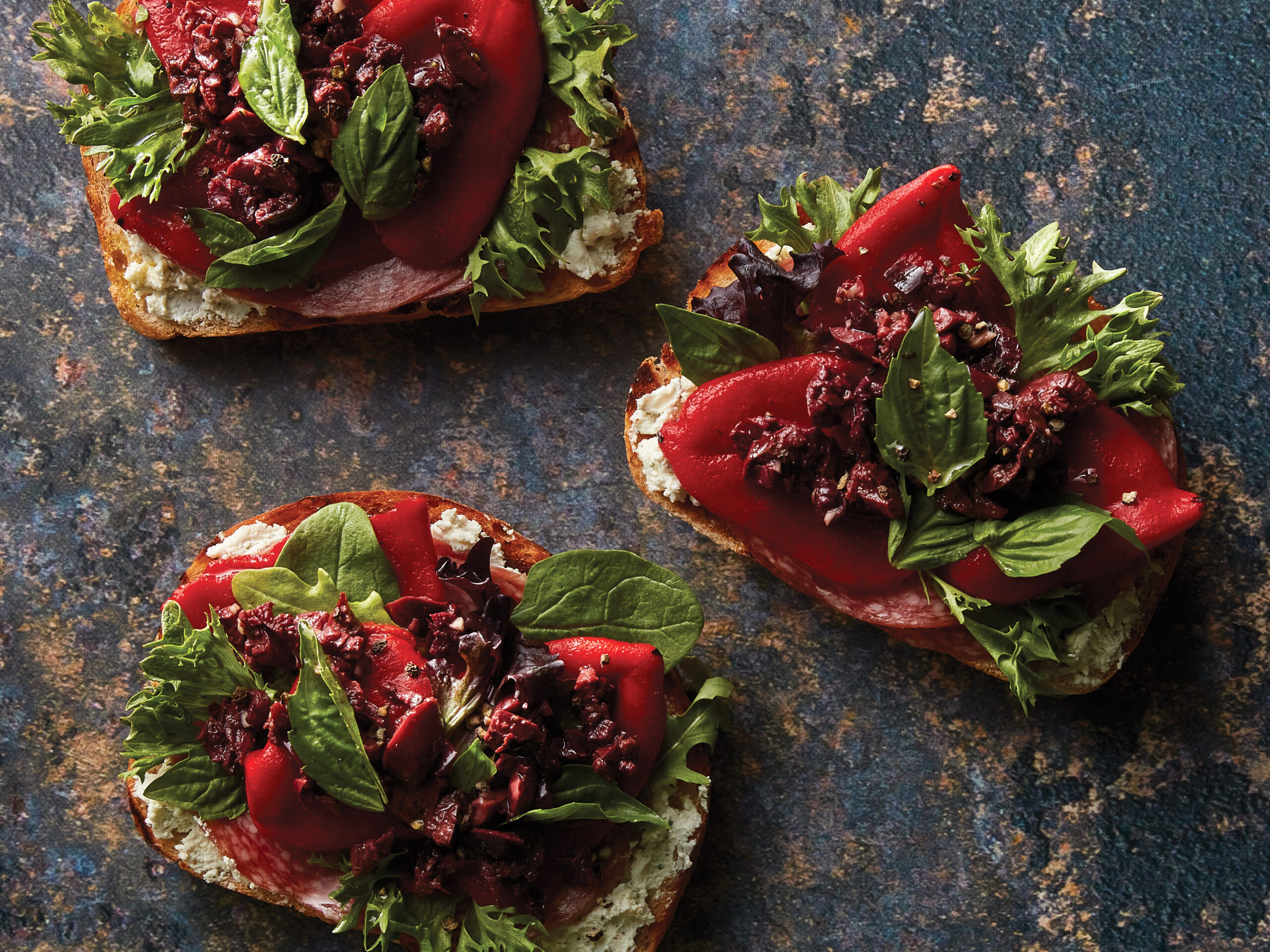
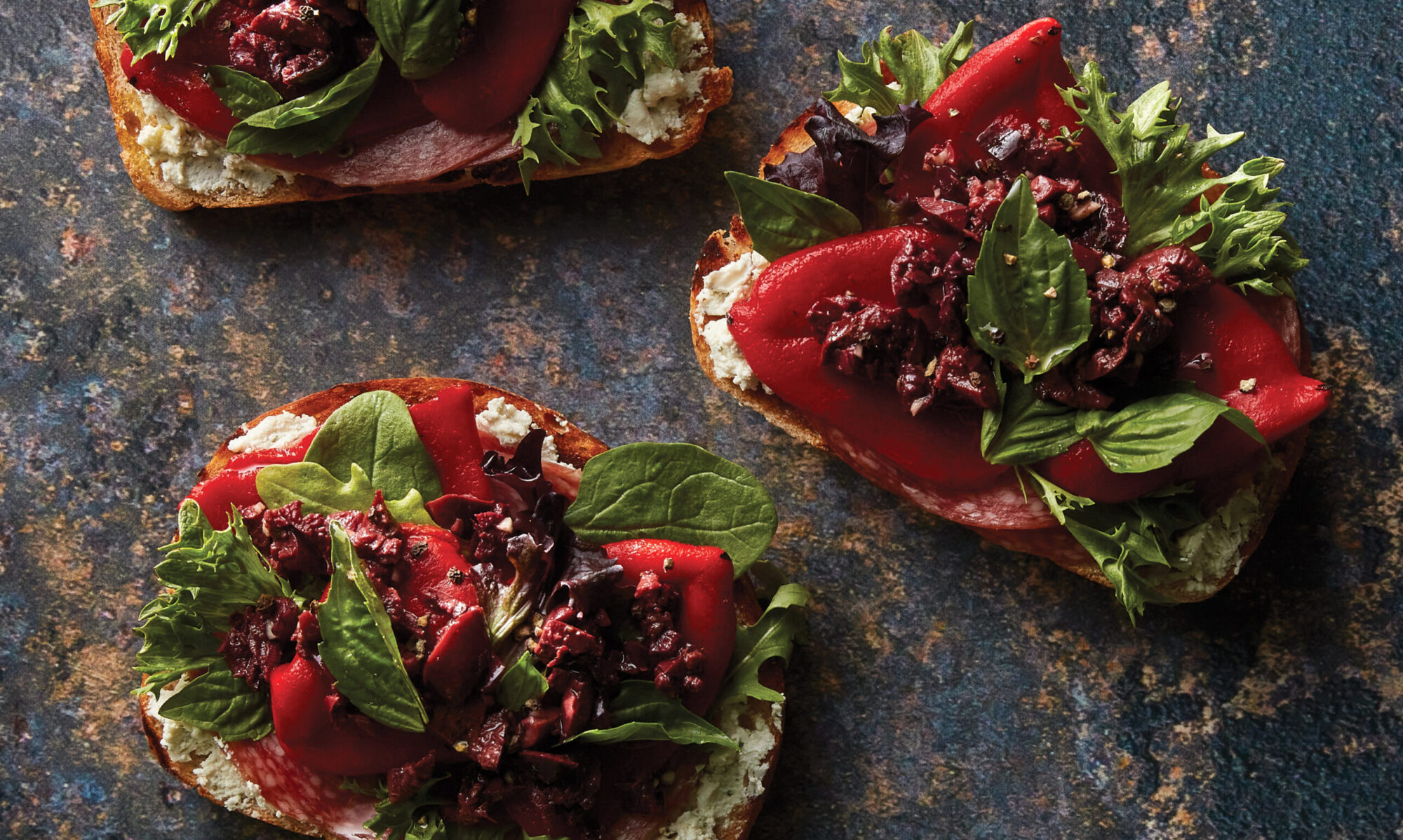
  • a perfectly plated pasta with deep shadows and texture
  • a chocolate dessert that feels almost cinematic

“Light makes the photograph. Shadow makes the story.”

That balance between light and shadow is where the magic happens.

How I approach it:

  • One directional light source (usually side-lit)
  • Letting shadows fall naturally (not over-correcting)
  • Layering texture—linen, wood, ceramics
  • Styling that feels intentional, not overworked

Dark doesn’t mean heavy.

It means controlled, intentional, and emotionally rich.


Light & Bright: Fresh, Clean, and Effortless

On the other end of the spectrum is light and bright photography.

This is where things feel:

  • fresh
  • modern
  • effortless

It’s the aesthetic you see in lifestyle brands, cafés, wellness spaces, and clean, minimal packaging.

“Simplicity is the ultimate sophistication.”

This style is less about drama—and more about clarity and ease.

How I approach it:

  • Soft, diffused natural light (almost always window-based)
  • Light surfaces and minimal props
  • Gentle shadows (never harsh)
  • Clean compositions with breathing room

The goal is to make the food feel approachable, inviting, and beautifully simple.


Choosing the Right Light for Your Brand

Here’s the truth most people don’t talk about:

There is no “better” lighting style.

Only the one that tells your story best.

Dark & Moody Works For:

  • Wine & spirits
  • Fine dining
  • Rich, indulgent dishes
  • Luxury or editorial brands

Light & Bright Works For:

  • Cafés & bakeries
  • Wellness brands
  • Fresh, seasonal menus
  • Lifestyle-driven content
  • Recipe photography and cookbooks

Color & Contrast Works For:

A more colorful direction can communicate energy, creativity, and modernity.

  • Bright colors work well for ads, social media, point of sale, signage and billboards
  • Calls attention to the food and beverages or products
  • Gives a vibrant, modern, youthful feel

None of these are trends.

They are choices.

“Color is storytelling without words.” 

The key is consistency.

When your lighting style aligns with your brand, your visuals stop feeling random—and start feeling intentional.


Where Strategy Meets Art

This is where I live creatively.

At the intersection of:

  • visual storytelling
  • brand strategy
  • food styling and photography

Because at the end of the day, great food photography isn’t just about aesthetics.

It’s about creating images that:

  • capture attention
  • communicate identity
  • and ultimately drive action

Watch the Full Series

If you want to see exactly how I create these looks in real time:

Watch the Reel and Shorts Series (Instagram / YouTube)

https://www.instagram.com/artfulgourmet

https://www.youtube.com/@theartfulgourmet

The Art of Light Series

Light and Bright Photography Reel

Dark & Moody Photography Reel

Bright Colorful Photography Reel

Food Photography Lighting Tips


Explore the Full Gallery

See more examples of dark & moody and light & bright work:

View Portfolio

https://www.kristen-hess.com


Go Deeper (Podcast + Behind the Scenes)

I talk a lot about the creative process, storytelling, food styling and photography and building a visual brand inside my podcast.

Listen to The Artful Gourmet Podcast

(Available on Spotify, Apple, Amazon, iHeart and Substack)


Read More Like This

If you enjoyed this, I share more insights like this:

Substack essay

Please share it with a friend if you enjoyed this article and stay tuned for my free “The Art of Food Photography” PDF guide coming soon!


Let’s Create Something Beautiful

If you’re a brand, restaurant, or creative team looking to elevate your visuals—

this is exactly what I do.

Chicken Tacos

I don’t just photograph food.

I create visual experiences that align with your brand and connect with your audience.

Kristen Hess, NYC Food Photographer + Food Stylist
Kristen Hess Food Stylist/Photographer

Request a Custom Quote

https://www.kristen-hess.com/contact

View & Book Photoshoot Packages

https://kristen-hess-artful-gourmet.kit.com/profile/products


Final Thought

Light isn’t just technical—it’s emotional.

It shapes how we see.

How we feel.

And how we remember.

And when it’s used with intention—

it turns food into something unforgettable.

“Art is not what you see, but what you make others see.”

Until next time- stay inspired, stay focused, and stay hungry.

— Kristen

The Artful Gourmet – Living life artfully, one bite at a time. 

Welcome to The Artful Gourmet: A New Chapter in Food & Lifestyle

Welcome to The Artful Gourmet 2.0!


Hi, I’m Kristen Hess — Food Stylist, Photographer, Blogger, and Creator of The Artful Gourmet. Welcome to my new updated blog 2.0! I am so excited to get back into blogging again after working full-time as a Senior Food Stylist for a big agency / grocery retailer in Texas for the past few years…it’s so great to get back into my groove and focus on my business again. And it feels amazing to be sparked by a new perspective and brainstorm all the crazy cool content I’m planning to create. I have so many exciting things to announce that I’ve launched, and am planning for the rest of year (and going forward!), so keep reading below!

Strawberry Jam

Food is more than something we eat — it’s art, culture, creativity, and joy. The Artful Gourmet brand/blog/show is all about celebrating food as art, as story, and as a way of life.

farmers market produce

I’ll take you behind the scenes of my culinary world, sharing recipes and food stories,

Kristen Hess, Hosting Food Blogger Event in NYC

restaurant and product reviews, cool food events I’ve hosted, photographed or attended,

camera

food styling and photography tips, social media and creative business advice,

culinary travel adventures, lifestyle tips and advice, and inspiration for living artfully every day – One Bite At A Time.

Crispy Chicken Sandwich

I’m also bringing back my Things I Love column (and a new Friday Favs video) featuring all the cool, delicious and fun food, places, people and things that I’ve discovered and that deserve a shoutout!

Kalamata Olive Spread

Keep an eye out for my upcoming YouTube cooking show launching soon where I’ll be whipping up some fun 🤩 recipes and cocktails with a twist! 🍤🍝🍸🎶

So whether you’re here to cook, create, learn something new, or simply indulge in the beauty of food and life, you’re in the right place. Let’s celebrate the art of food — together.

Recently launched The Artful Gourmet Podcast + YouTube Channel (@thearfulgourmet)!

Join me, Kristen Hess — Food Stylist, Photographer, Content Creator, and Voice behind The Artful Gourmet YouTube channel

and The Artful Gourmet Podcast that you can listen to on any of the major podcast streaming networks – #Apple Podcasts, #Spotify, #Amazon Music, and #iHeartRadio!

For years, I’ve dreamt of creating a space where food, photography, and lifestyle converge. Today, I’m thrilled to announce the launch of the Artful Gourmet YouTube channel, a project that’s been a long time in the making. Join me as we embark on this exciting journey together!

This project’s been really a long time coming now. I think I’ve been planning this for a few years now! With a passion for food styling and photography, I aim to create a YouTube and Podcast channel that’s not only about recipes and food photography, but also about life, creativity, and business. With inspiring conversations that spark confidence, creativity and curiosity in your own lives, too.

The Artful Gourmet channel will feature a variety of content, including:

  • Engaging interviews and peer conversations
  • Live sessions/Q+A with Kristen
  • Recipe shorts/videos on social media and a new cooking show – stay tuned!
  • Photography and food styling videos, live demos, and tips + tricks
  • Business and lifestyle mindset advice (See “IntoFocus” Series on YouTube)
  • Restaurant reviews, product reviews and culinary excursions/stories

I personally invite you to be part of this vibrant community! And don’t forget to like, follow, subscribe, and share my channels – I really appreciate your support as it will be invaluable as the channels both grow and evolve into something more.

The Artful Gourmet YouTube and Podcast channels are more than just online platforms; they are both communities where creativity and passion collide, and come to life.

So whether you’re here to cook, create, learn something new, get inspired, be entertained, or simply to savor, you’ll find something delicious waiting for you.

Don’t forget to subscribe, share, and like my pages so you never miss an episode  and let’s celebrate the art of food, together.

Peach Avocado Salad

Follow Me for more fun content to devour:

PORTFOLIO:  ⁠https://www.kristen-hess.com⁠ 

LINKEDIN ⁠https://www.linkedin.com/in/klhinnyc⁠

INSTAGRAM ⁠@artfulgourmet⁠

FACEBOOK @artfulgourmet⁠ 

X @artfulgourmet⁠ 

PINTEREST ⁠@artfulgourmet⁠ 

TIKTOK ⁠@foodiegirl87⁠ 

YOUTUBE @theartfulgourmet⁠ 

Exciting Announcements + More… Stay Tuned!

Kristen Hess in Voyage San Antonio Magazine

I was recently invited to be featured in Voyage San Antonio Magazine! They interviewed me for a story on their Local Stories page which highlights and celebrates local business owners, leaders and influencers in San Antonio TX.

Excited and honored to be chosen for this prestigious press opportunity and you can read the article here online!

Exciting News! Heading to Miami for a full day of filming and photoshoot for the TV documentary

I also have some more really exciting news…I recently auditioned to be in a new TV documentary series highlighting successful women in business and entrepreneurs. AND – my episode just got the GREEN LIGHT for production!

I’ll recently went to #Miami for a full day of filming and a photoshoot for my episode and attended a super cool networking and Mastermind event with Rudy Mawer and his team where I learned his top notch Marketing secrets and commingled with other #entrepreneurs and #celebrities that are also cast members of the Women In Power, and other Inside Success TV shows!

My episode on the show will be aired on major streaming networks in 2026, so stay tuned! (Can’t say which ones yet, but it’s a pretty big deal!)

So, stay tuned for more fun photos and videos from the event and my TV show filming – and check back here regularly for more delicious recipes, stories and fun content in the weeks to come!

XO, Kristen 


error

Enjoy this blog? Please spread the word :)

Verified by MonsterInsights