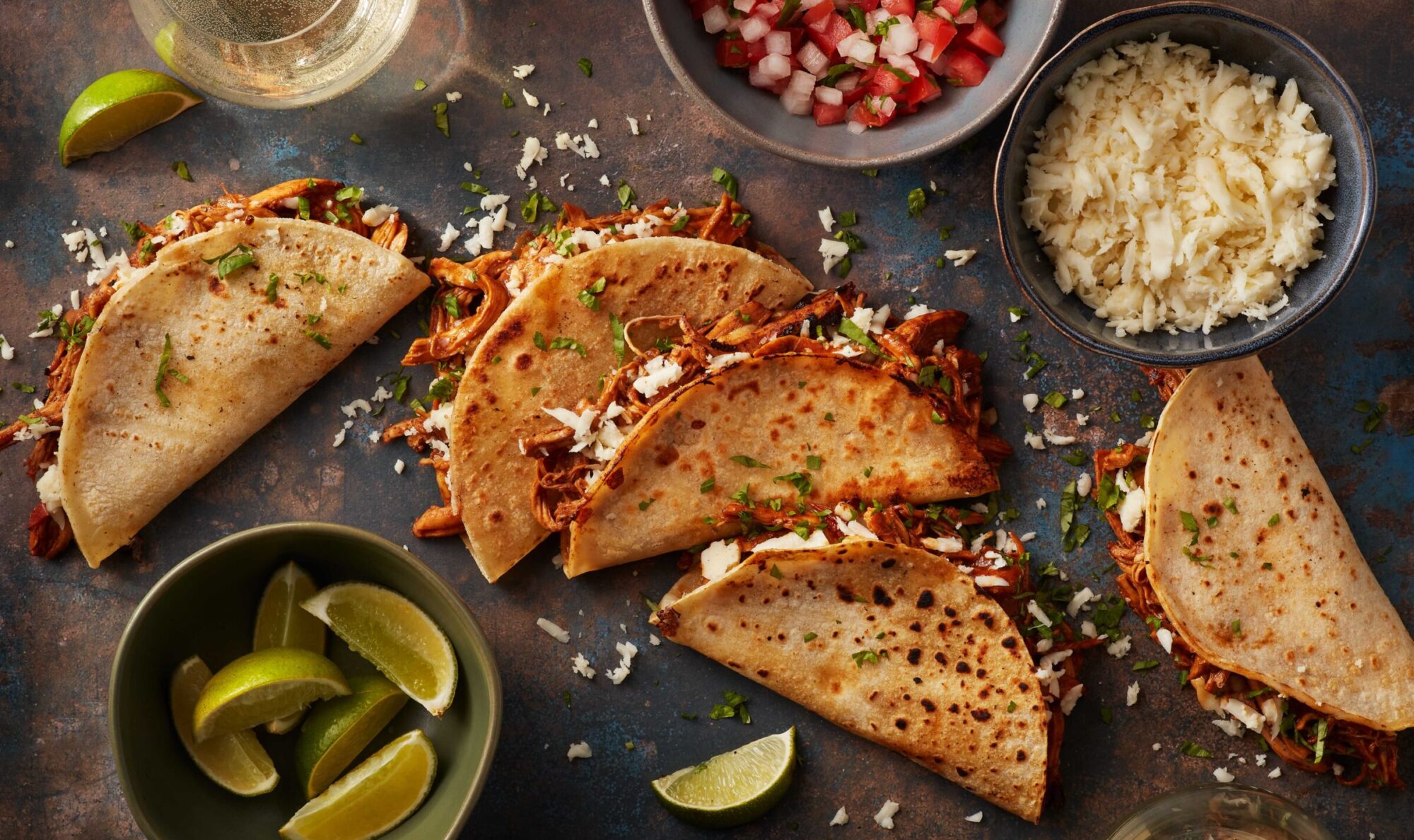
An easy farmers market spaghetti with roasted summer vegetables, a nostalgic ’70s soundtrack, and a reminder that the best moments in life are often the simplest.
An Easy Summer Pasta made for Slowing Down
Summer cooking should feel different.
It should be lighter, looser, and a little less concerned with perfection. It should leave time for sitting outside, chasing sunsets, listening to music, and spending long evenings with the people we love.
“Summer isn’t asking us to do more. It’s inviting us to notice more.”
This easy summer spaghetti is designed for exactly that kind of night.
Fresh cherry tomatoes, sweet white corn, and garlic roast together on one sheet pan until the tomatoes burst,
the corn begins to caramelize, and the garlic becomes tender and fragrant.
Paper-thin zucchini ribbons join the pan during the final few minutes so they soften gently without becoming heavy or watery.
The roasted vegetables are then tossed with al dente spaghetti, fresh basil, parsley, a small drizzle of extra-virgin olive oil, and enough pasta water to bring everything together.
There is no cream sauce, no complicated preparation, and no long list of ingredients.
The vegetables create their own light sauce as they roast. Their juices mingle with the garlic and olive oil, coating the spaghetti with fresh summer flavor.
It is simple, colorful, and satisfying without feeling heavy—the perfect pasta for warm evenings on the patio, at the lake, or around a table filled with friends.
“Summer teaches us that slowing down isn’t falling behind—it’s finally catching up with life.”
Why You’ll Love This Summer Pasta Recipe
Everything comes together with one pot and one sheet pan.
It highlights fresh farmers market vegetables.
The pasta is light and flavorful without a heavy sauce.
It can be served hot, warm, or at room temperature.
The recipe is easy to customize with seafood, chicken, beans, or cheese.
It leaves more time for enjoying summer and less time washing dishes.
Slow Summer Spaghetti with Zucchini Ribbons, Sweet Corn and Roasted Tomatoes
Prep Time 15 minutes
Cook Time 25 minutes
Total Time 40 minutes
Yield 4 to 6 servings
Ingredients
12 ounces high-quality spaghetti
2 cups cherry or grape tomatoes
2 ears fresh sweet white corn, husked
6 garlic cloves, peeled and lightly smashed
2 medium zucchini
2 tablespoons extra-virgin olive oil, divided
¾ teaspoon kosher salt, divided
Freshly ground black pepper, to taste
¼ teaspoon crushed red pepper flakes, optional
½ cup loosely packed fresh basil leaves, torn
¼ cup chopped fresh Italian parsley
½ to 1 cup reserved pasta water
Zest of ½ lemon, optional
Freshly grated Parmesan or Pecorino Romano, optional
Instructions
1. Prepare the sheet pan
Preheat the oven to 425°F. Line a large rimmed sheet pan with parchment paper for easier cleanup.
2. Roast the tomatoes, corn, and garlic
Cut the corn kernels from the cobs and add them to the prepared sheet pan with the cherry tomatoes and garlic cloves.
Drizzle the vegetables with approximately 1½ tablespoons of the olive oil. Season with ½ teaspoon kosher salt, freshly ground black pepper, and crushed red pepper flakes, if using.
Toss gently and spread the vegetables into an even layer.
Roast for 15 minutes.
3. Make the zucchini ribbons
While the vegetables are roasting, trim the zucchini. Use a vegetable peeler or mandoline to slice each zucchini lengthwise into long, paper-thin ribbons.
Rotate the zucchini as you work, stopping when you reach the soft, seedy center.
4. Add the zucchini to the sheet pan
Remove the sheet pan from the oven and add the zucchini ribbons.
Gently toss the zucchini with the tomatoes, corn, garlic, and roasting juices. Return the pan to the oven and roast for an additional 6 to 8 minutes.
The zucchini should be tender but still hold its shape.
5. Cook the spaghetti
While the zucchini finishes roasting, bring a large pot of generously salted water to a boil.
Cook the spaghetti until al dente according to the package directions.
Before draining the pasta, reserve at least 1 cup of the starchy cooking water.
6. Toss the pasta
Drain the spaghetti and return it to the pot.
Add the roasted vegetables and all the juices from the sheet pan. Add the remaining olive oil, torn basil, chopped parsley, and approximately ½ cup of reserved pasta water.
Toss the pasta over low heat until the vegetables are evenly distributed and the spaghetti is lightly coated and glossy.
Add additional pasta water, a few tablespoons at a time, if needed.
7. Finish and serve
Taste and adjust the seasoning with additional salt and black pepper.
Add fresh lemon zest for brightness or grated Parmesan or Pecorino Romano for a richer finish, if desired.
Serve immediately, or allow the pasta to cool slightly and enjoy it warm or at room temperature.
Tips for the Best Summer Vegetable Pasta
Choose ripe cherry tomatoes
Look for tomatoes that feel heavy for their size and have a rich color. Mixed-color heirloom cherry tomatoes also make the finished dish especially beautiful.
Use fresh corn when possible
Fresh market corn provides a crisp texture and natural sweetness. Frozen corn can be substituted, but thaw and pat it dry before roasting.
Do not overcook the zucchini
Because the zucchini is sliced into delicate ribbons, it only needs a few minutes in the oven. Add it after the other vegetables have already begun roasting.
Save the pasta water
Starchy pasta water helps the roasted vegetable juices and olive oil cling to the spaghetti. It creates a silky finish without adding cream or butter.
Use a flavorful extra-virgin olive oil
Because this recipe uses so few ingredients, the quality of the olive oil matters. Choose one with a fresh, fruity flavor rather than an overly bitter or aggressive finish.
Recipe Variations
Add grilled shrimp or scallops for a light seafood pasta.
Top each bowl with burrata, ricotta, feta, or goat cheese.
Add cannellini beans or chickpeas for a vegetarian protein boost.
Substitute linguine, bucatini, angel hair, or your favorite short pasta.
Add arugula or baby spinach when tossing the hot pasta so the greens wilt slightly.
Finish with toasted pine nuts, pistachios, walnuts, or breadcrumbs for texture.
“The sweetest moments are rarely planned. They happen somewhere between the last rays of sunlight and the first stars.”
What to Serve with Summer Spaghetti
Serve this pasta with grilled bread, a simple green salad, marinated olives, or a platter of sliced melon and prosciutto.
For dessert, keep things equally relaxed with fresh peaches, cheesecake or lemon sorbet, berries and whipped cream, or a rustic summer fruit galette.
Summer Cocktail Pairings
Elderflower Gin and Tonic
Ingredients
1½ ounces gin
½ ounce elderflower liqueur
4 ounces chilled tonic water
Fresh lemon
Cucumber ribbon or basil, for garnish
Instructions
Fill a large wine glass with ice. Add the gin and elderflower liqueur. Top with tonic water and a squeeze of lemon.
Stir gently and garnish with cucumber, basil, or a lemon wheel.
Limoncello Spritz
Ingredients
2 ounces limoncello
3 ounces chilled Prosecco
1 ounce sparkling water
Lemon wheel and basil, for garnish
Instructions
Fill a wine glass with ice. Add the limoncello, Prosecco, and sparkling water. Stir gently and garnish with lemon and basil.
Aperol Spritz
Ingredients
3 ounces Prosecco
2 ounces Aperol
1 ounce sparkling water
Orange slice, for garnish
Instructions
Fill a wine glass with ice. Add the Prosecco, Aperol, and sparkling water. Stir briefly and garnish with an orange slice.
Wine Pairings for Summer Vegetable Pasta
Choose a wine with crisp acidity, fresh citrus notes, and enough brightness to complement the tomatoes, corn, zucchini, and herbs.
Recommended options include:
Vermentino
Pinot Grigio
Sauvignon Blanc
Dry rosé
Soave
Gavi
Prosecco
Serve white and rosé wines well chilled, preferably outside as the sun begins to set.
A ’70s Slow Summer Playlist
Complete the experience with a playlist filled with smooth, easygoing ’70s soft rock and yacht-rock favorites.
Turn up the music, pour something cold, and bring the pasta outside.
Summer is too short to spend the whole evening standing over the stove.
“Maybe reminiscing isn’t about wishing we could go back. Maybe it’s about remembering what mattered most, so we can choose it again today.”
Savor the Slow Summer Moments
This recipe is less about doing something elaborate and more about paying attention to what is already good.
Fresh corn. Warm tomatoes. Fragrant basil. Music playing through an open door. A chilled glass in your hand. People you love gathered around the table.
Take it easy.
Savor each bite.
Laugh more. Live more.
Chill out more.
Watch the sunset instead of watching the clock.
Save this easy summer spaghetti recipe for your next farmers market haul, backyard dinner, lake weekend, or relaxed evening with friends.
“You don’t have to travel far to find paradise. Sometimes it’s waiting on the back patio with spaghetti, basil, good friends, and a July sunset.”
Leave a comment and tell me: What song would you add to the ultimate slow-summer playlist?
Subscribe to The Artful Gourmet for more seasonal recipes, nostalgic food stories, cocktails, curated playlists, and inspiration for living—and eating—a little more deliciously.
“The older I get, the more I realize that luxury isn’t found in extravagance—it’s found in time. Time to cook, time to laugh, time to linger, and time to simply be.”
About the Author
Kristen Hess – Host, Author, Photographer and Creator of The Artful Gourmet
Kristen Hess is a Food Stylist, Photographer, Food Writer, Recipe Developer and the Creator of The Artful Gourmet Blog, Substack and Social Media — a food + lifestyle media brand rooted in fresh comfort food, visual artistry, and the stories we tell around the table. Find her on Substack, The Artful Gourmet Podcast and YouTube Channel and food blog at theartfulgourmet.com.
The Sweetest Part of Summer Is the One You Don’t Rush
There are only a few weeks each year when stone fruit tastes exactly the way it’s supposed to.
Peaches drip down your wrist after the first bite. Nectarines are floral and fragrant without needing anything added. Plums are sweet with just enough tartness to keep you reaching for another slice. It’s the kind of fruit that reminds you why eating seasonally is always worth the wait.
This is the season for farmers markets overflowing with baskets of colorful fruit, picnic blankets spread beneath shady trees, and dinners that begin a little later because no one is in a hurry.
Windows stay open. The evenings linger. Dessert often starts with whatever looks best in the fruit bowl.
That’s exactly where this salad was born.
Instead of baking the fruit into a pie or crisp, I wanted to let every juicy slice shine on its own. A handful of ripe peaches, nectarines, and plums become something unexpectedly elegant with just a few fresh ingredients.
Creamy feta adds a salty contrast, mint brings a burst of cool freshness, and toasted hazelnuts provide just enough crunch to make every bite interesting.
A light honey-citrus vinaigrette ties everything together without masking the natural sweetness of the fruit. It’s simple, vibrant, and feels like sunshine on a plate.
This is one of those recipes that works for almost any summer occasion. Serve it alongside grilled chicken or salmon, add it to a brunch spread, bring it to a backyard barbecue, or enjoy it as a light lunch with a crisp glass of rosé or sparkling water infused with citrus.
What I love most is how effortless it feels. No oven. Very little prep. Just beautiful ingredients at their seasonal peak doing what they do best.
Summer has a way of reminding us that the simplest meals are often the most memorable.
A bowl of ripe fruit shared outdoors, conversations that stretch into twilight,
and recipes that don’t ask for much beyond fresh ingredients and good company.
So while the peaches are perfectly ripe and the nectarines are overflowing at the market, savor every bite. Before long, autumn apples will take their place—but for now, this is the flavor of summer.
Summer Stone Fruit Salad with Feta, Mint & Toasted Hazelnuts
Are you reaching for peaches, nectarines, plums, cherries, or something else that’s only perfect for a few fleeting weeks each year? Let me know in the comments—I’d love to hear about your favorite seasonal traditions.
If you make this recipe…
Tag @ArtfulGourmet on social media so I can see your beautiful creations! Your photos always inspire me, and I love sharing your seasonal dishes with our community.
Happy cooking—and here’s to savoring every delicious bite of summer before the season slips away.
About the Author
Kristen Hess is a food stylist, photographer, recipe developer, and food writer behind The Artful Gourmet. Find more recipes, food stories, and culinary inspiration on her Substack.
One of the things I admire most about Bourdain is that his success story wasn’t neat and tidy.
For years he worked in restaurant kitchens, often struggling, often wondering what was next.
Before he became a bestselling author, television host, and one of the most respected storytellers in the world, he was simply a chef trying to make a living.
Then, at age 44, everything changed.
His bookKitchen Confidentialbecame a phenomenon and launched a second act that nobody could have predicted.
Imagine if he had talked himself out of writing it.
Imagine if he thought it was too late.
Imagine if he never took the chance.
The world would have missed out on one of its greatest voices.
And that’s a lesson worth remembering.
Just because something hasn’t happened yet doesn’t mean it never will.
Curiosity Is Greater Than Fear
One of Bourdain’s most famous quotes was:
“Travel isn’t always pretty. It isn’t always comfortable. Sometimes it hurts. It even breaks your heart. But that’s okay.”
I think that quote applies to life just as much as travel.
Life isn’t always comfortable.
Building a business isn’t comfortable.
Changing careers isn’t comfortable.
Starting over certainly isn’t comfortable.
But growth rarely happens inside our comfort zone.
The most meaningful things in my life have happened because I was willing to get uncomfortable.
Not because I knew exactly what would happen.
But because I was curious enough to find out.
Bourdain approached the world with curiosity.
He sat down with strangers.
He tried unfamiliar foods.
He visited places most tourists would never go.
He listened.
He learned.
He stayed open.
What if we approached our own lives the same way?
What if instead of focusing on what could go wrong, we focused on what we might discover?
Progress Isn’t Always Visible
One of the hardest things about pursuing a dream is that progress often happens quietly.
You put in the work.
You show up.
You keep creating.
And sometimes it feels like nothing is happening.
I’ve felt that way more times than I can count.
But then I look back and realize something important:
The growth was happening all along.
The connections.
The skills.
The experience.
The confidence.
The opportunities.
They were all building beneath the surface.
Much like a garden in spring.
The seeds don’t bloom overnight.
But they’re growing.
Even when you can’t see it.
That’s why I think summer is such a beautiful reminder to keep going.
Everything around us is proof that growth takes time.
A Bowl of Soup and a Fresh Start
Whenever the seasons change, I find myself drawn back to simple recipes.
Food has always been my way of slowing down and reconnecting with myself.
This Spring Minestrone Soup is exactly that.
Fresh peas.
Tender zucchini.
Green beans.
Herbs from the garden.
Bright lemon.
A little Parmesan.
Simple ingredients that come together to create something nourishing and comforting.
And honestly?
It feels like a metaphor for life.
A handful of small things can become something beautiful when given enough time.
The same is true for dreams.
Spring Vegetable Soup
Serving Size:
6
Time:
45 mins
Difficulty:
intermediate
2 small carrots, diced
2 celery stalks, diced
1 yellow onion, chopped
2 small zucchini, diced
1 small butternut squash, diced
1 bunch escarole, chopped
½ cup peas, frozen
1 tablespoon basil leaves, chopped
1 tablespoon parsley, chopped ¼ cup Parmigiano Reggiano, grated
6 tablespoons extra virgin olive oil, plus extra for bread and for drizzling on soup
4 quarts chicken stock
1 small ciabatta bread
Sea salt to taste
Pepper to taste
Directions
Sauté carrots, celery and onions in a large stock pot over medium heat, for approximately 5 minutes, making sure that you stir the vegetables while they cook
Add chicken stock to the pan. Increase the heat to high, cover the pan, bring to a boil and then reduce the heat to medium-low. Cook for 10-15 minutes.
Slice bread into 1” thick slices. Brush slices with the additional olive oil on both sides and place in a sauté pan over low heat. Turn bread slices once and cook until they are golden brown. Place bread in a tray and lightly sprinkle with sea salt. Set aside.
Add butternut squash to the stockpot and cook for 3 minutes.
Add zucchini and peas to the stockpot and cook for 3 more minutes.
Add escarole, basil, parsley, salt and pepper and cook for 4 additional minutes.
Remove two ladles of soup from the stockpot and puree in a blender, then return the pureed soup to the pot (the puree will thicken the soup). Stir and cook for 1 minute, then turn off the heat.
Add some grated cheese into the soup and stir. Ladle soup in individual bowls, drizzle oil and sprinkle additional cheese.
The same is true for healing.
The same is true for starting over.
Serve it on a warm June evening and make a toast to whatever new chapter you’re stepping into.
So Here’s Your Reminder
If you’ve been waiting for a sign to start something…
This is it.
Apply for the job. Launch the business. Write the article.
Start the podcast. Take the trip. Learn the skill.
Make the call. Send the email. Try.
Dreams take time.
Because as Anthony Bourdain reminded us:
“Your body is not a temple. It’s an amusement park. Enjoy the ride.”
Life is messy.
The path rarely unfolds exactly as planned.
But the alternative—never trying at all—is far worse.
Summer is here.
A new season is beginning.
And maybe your next chapter is waiting on the other side of one brave decision.
Here’s to fresh starts.
Here’s to curiosity.
Here’s to hope.
And here’s to failing gloriously.
Because sometimes that’s exactly how the best stories begin.
This buttery garlic clam pasta recipe has been a family favorite for more than 35 years—and it’s still one of the best seafood pasta dishes you’ll ever make.
Summer always puts seafood on my mind.
Maybe it’s the warm weather, the longer evenings, or memories of family dinners back home in Rochester, New York. Whatever it is, there’s something about a big bowl of seafood pasta paired with a crisp glass of white wine that feels like summer itself.
One of my favorite recipes is this classic Linguine&Clams recipe from Bill Gutsch, a beloved Rochester, NY news anchor whose recipe became famous after it won a local city-woe recipe contest an appeared in the Democrat & Chronicle food section decades ago.
Long before recipes went viral on social media, great dishes spread the old-fashioned way—from newspaper clippings to recipe boxes, from neighbors to friends, and eventually to family dinner tables like ours.
My mom clipped the recipe years ago and it quickly became a family favorite. She would make it for special occasions, summer dinners, or Friday nights when everyone gathered around the table with a green salad, garlic bread, and a bottle of wine.
The Gutsch’s Linguine
To this day, every time I make it, I’m transported right back to those evenings.
Why This Linguine & Clams Recipe Works
Let’s talk about the flavor combination.
Bacon.
Butter.
Garlic.
Clams.
Fresh parsley.
Black olives.
Pasta.
Need I say more?
The salty bacon and briny clams create an incredible depth of flavor, while the butter and garlic bring everything together into a silky, savory sauce that coats every strand of linguine.
Is it diet food?
Absolutely not.
Is it worth every bite?
Absolutely yes.
Sometimes it’s okay to indulge a little.
In a world obsessed with counting calories and cutting carbs, recipes like this remind us that food is meant to be enjoyed. There’s something comforting about old-school recipes that don’t apologize for being rich, satisfying, and delicious.
As I’ve gotten older, I’ve come to appreciate these recipes even more. They’re not just meals—they’re memories. I remember my Mom and Dad making this dish on a Summer Friday night- windows open, a Frankie Valli record playing in the background, a Gin and Tonic or glass of wine in hand, just enjoying the perfect setting of a family dinner together around our kitchen table in the mid-80s.
The Perfect Summer Seafood Dinner
This easy linguine and clams recipe comes together in about 30 minutes, making it perfect for:
Summer entertaining
Date nights at home
Beach house dinners
Family gatherings
Casual weekend meals
Serve it with:
Crusty Italian bread
A simple green salad
Sauvignon Blanc
Pinot Grigio
Finger Lakes Riesling
Vermentino
The bright acidity of these wines balances the richness of the butter while enhancing the sweet, briny flavor of the clams.
Gutsch’s Linguine & Clams
10 minutes
Gutsch’s Famous Linguine & Clams Recipe Prep Time 10 minutes
Cook Time 20 minutes
Total Time 30 minutes
Servings 2-4 servings
Ingredients
4-5 slices bacon, cut into ¼-inch strips
1/8 cup sliced green onions
1 garlic clove, minced
3 tablespoons butter
1 (6.5-ounce) can chopped clams or baby whole clams
¼ cup sliced black olives
1/8 cup fresh parsley, chopped
Freshly ground black pepper
6 ounces linguine pasta
Optional
¼ cup dry white wine
Extra parsley for garnish
Freshly grated Parmesan cheese
Instructions
Cook bacon in a large skillet until crisp. Remove and set aside, reserving about 1/8 cup bacon drippings in the pan.
Add green onions and garlic to the skillet and sauté until tender but not browned.
Stir in butter and allow it to melt completely.
Drain clams, reserving the clam juice.
Add clams, bacon, black olives, parsley, and black pepper.
Pour in half of the reserved clam juice and, if desired, add the white wine. Simmer gently for 2-3 minutes.
Meanwhile, cook linguine according to package directions until al dente. Drain.
Add cooked linguine directly to the skillet and toss until evenly coated.
Transfer to a serving bowl and garnish with additional parsley and black pepper.
Serve immediately with crusty bread and a chilled glass of white wine.
Recipe Notes
Substitute olive oil for butter for a lighter version.
Fresh littleneck clams may be used instead of canned clams.
Add crushed red pepper flakes for a little heat.
For extra garlic flavor, double the garlic.
The Story Behind the Recipe
The full story behind this Rochester classic—including memories of family dinners, summer evenings, and why recipes like this become part of our lives for generations—is featured in my latest Substack essay.
If you enjoy food stories, nostalgia, travel, wine, and recipes inspired by memorable moments, I’d love to have you join me there.
Going Analogue: Why We’re Craving a Slower, More Meaningful Life
There’s a quiet shift happening right now—and it doesn’t feel like a trend as much as a return – the ‘going analogue’ trend.
It’s a part of a growing slow living movement, where people are choosing to unplug from social media and reconnect with real-life experiences through food, music, and meaningful moments.
People are stepping away from the constant scroll, the noise, the pressure to keep up. They’re choosing slower moments. Smaller circles. Real conversations. Tangible things you can hold in your hands.
Film cameras. Handwritten notes. Scrapbooks. Polaroids. Vinyl records. Cooking meals instead of ordering them. Sitting around a table instead of a screen.
It’s the pull of nostalgia and meaningful moments – IRL again.
It’s my way of holding onto the feeling of growing up in the ’70s, ’80s and ’90s – when life felt a little slower, a little simpler, and a lot more together.
Across everything I create, this theme shows up again and again:
Every podcast episode, every blog post, every Substack essay, every YouTube video in this series is me chasing that feeling and inviting you to chase it with me. It’s retro recipes made with fresh, elevated ingredients — comfort food that honors the past while feeling relevant right now.
January 1978 wasn’t flashy or loud — it was warm, comforting, and full of everyday magic. The radio played soft rock on repeat, dinner was often a casserole bubbling in the oven, and family time happened around the table, not a screen.
The series is built around a simple but deeply felt premise:
food and music are the original time machines.
Play the right song while you’re making the right dish, and you’re not in your kitchen anymore — you’re somewhere else entirely. You’re nineteen again, or twelve, or thirty-two, in a place and a moment that mattered.
Where it all comes to life visually—food, music, mood, and storytelling all in one place.
A Return to What Actually Matters
Here’s what I keep coming back to, and what I think the analogue trend is really telling us: social isn’t dying. It’s evolving.
The future isn’t offline or online. It’s both, held together by intention.
And the creators and communities that will matter most going forward are the ones who understand that — the ones who bring real texture, real warmth, real humanity to what they share.
The ones who make you feel like a regular somewhere, not just a follower.
It’s about choosing:
to call a friend instead of texting
to cook instead of scroll
to sit and listen instead of multitask
to create memories instead of just capturing them
Writer Susan Sontag once observed:
“To collect photographs is to collect the world.”
But maybe now, we’re craving something deeper than collecting. We want to experience the world again.
That’s what Groovy Eats is for me. It’s my version of the scrapbook aesthetic — layered, personal, imperfect in the best way. It’s my vinyl record, my vintage film photo, my phone-free dinner table. It’s the place where food and music and memory get to exist together, without apology, on their own unhurried terms.
Groovy Eats is my way of preserving those moments—and creating new ones.
And maybe, in a world that’s constantly pulling us online…
this is our way back to each other.
If you’ve been feeling the pull toward something slower, something more real, something that actually fills you up instead of just filling your feed — pull up a chair. Put on a good song. Make something beautiful to eat.
That’s the whole vibe. That’s Groovy Eats.
✨ Follow More Nostalgia on Groovy Eats Series
If you’ve been feeling that pull too—to slow down, reconnect, and bring a little more meaning into your everyday life—
Stay tuned for Groovy Eats Episode 4 – Coming Soon!
Disco Night | Retro Cocktails & Late Night Bites 💃 🪩 🍹 🍤
Get ready to dance, eat, drink and party like it’s 1978 at the disco in West Hollywood and Studio54. Be prepared to cook, sing, dance , drink and eat some retro late night bites and cocktails from the era, to the music of Donna Summer, Our #1 Disco Queen. Coming Soon.
Kristen Hess is a Food Stylist, Photographer, Writer, and the creator of The Artful Gourmet — a food and lifestyle media brand rooted in fresh comfort food, visual artistry, and the stories we tell around the table. Find her on Substack, The Artful Gourmet Podcast and YouTube Channel and her
food blog at theartfulgourmet.com.
Used to monitor number of Google Analytics server requests when using Google Tag Manager
1 minute
_gid
ID used to identify users for 24 hours after last activity
24 hours
_gali
Used by Google Analytics to determine which links on a page are being clicked
30 seconds
_ga
ID used to identify users
2 years
__utmx
Used to determine whether a user is included in an A / B or Multivariate test.
18 months
__utmv
Contains custom information set by the web developer via the _setCustomVar method in Google Analytics. This cookie is updated every time new data is sent to the Google Analytics server.
2 years after last activity
__utmz
Contains information about the traffic source or campaign that directed user to the website. The cookie is set when the GA.js javascript is loaded and updated when data is sent to the Google Anaytics server
6 months after last activity
_gac_
Contains information related to marketing campaigns of the user. These are shared with Google AdWords / Google Ads when the Google Ads and Google Analytics accounts are linked together.
90 days
__utmc
Used only with old Urchin versions of Google Analytics and not with GA.js. Was used to distinguish between new sessions and visits at the end of a session.
End of session (browser)
__utmb
Used to distinguish new sessions and visits. This cookie is set when the GA.js javascript library is loaded and there is no existing __utmb cookie. The cookie is updated every time data is sent to the Google Analytics server.
30 minutes after last activity
__utmt
Used to monitor number of Google Analytics server requests
10 minutes
__utma
ID used to identify users and sessions
2 years after last activity
SourceBuster is used by WooCommerce for order attribution based on user source.
Name
Description
Duration
sbjs_migrations
Technical data to help with migrations between different versions of the tracking feature
session
sbjs_current_add
Timestamp, referring URL, and entry page for your visitor’s current visit to your store
session
sbjs_first_add
Timestamp, referring URL, and entry page for your visitor’s first visit to your store (only applicable if the visitor returns before the session expires)
session
sbjs_current
Traffic origin information for the visitor’s current visit to your store
session
sbjs_first
Traffic origin information for the visitor’s first visit to your store (only applicable if the visitor returns before the session expires)
session
sbjs_udata
Information about the visitor’s user agent, such as IP, the browser, and the device type
session
sbjs_session
The number of page views in this session and the current page path